
This post contains affiliate links. As an Amazon Associate I earn from qualifying purchases.
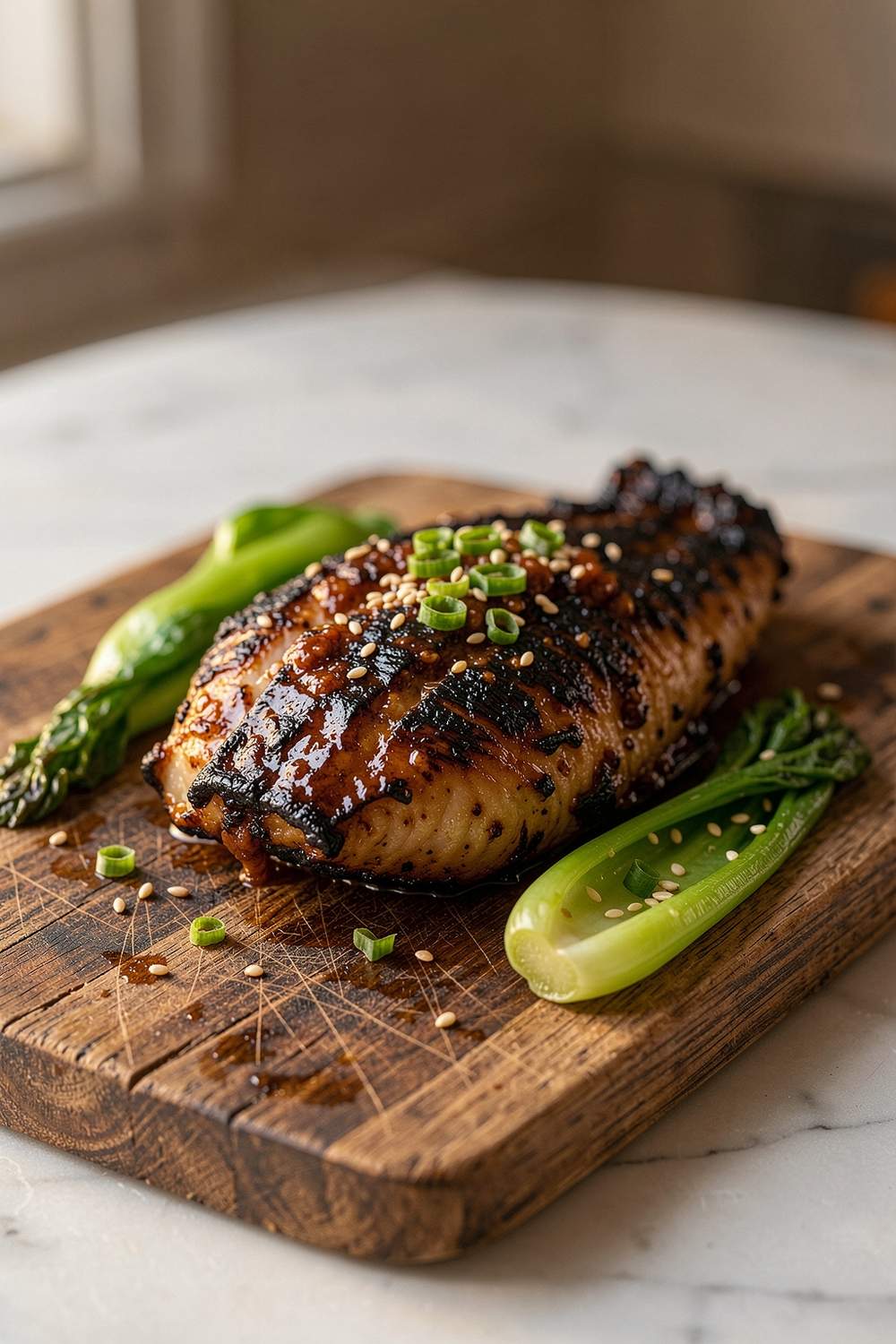
Blackened miso cod is black cod (sablefish) cured in a sweet-savory white miso marinade, then roasted and broiled until the surface caramelizes into dark, lightly charred spots. It tastes buttery, rich, and gently sweet, with a deep umami edge. Hands-on time is about 30 minutes, plus 24 to 72 hours of marinating.
What Makes Miso Black Cod So Special?
Black cod is not true cod. Sablefish is a fatty, deepwater fish with large, silky flakes, and its high oil content keeps it moist under the intense heat that caramelizes the marinade. Lean white fish dries out in the same conditions.
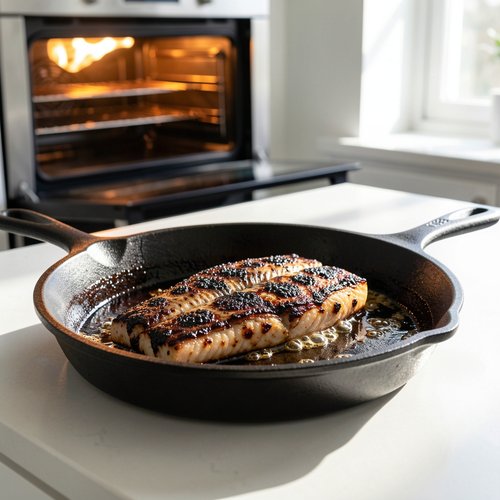
The “blackened” part here is not Cajun spice. It comes from the sugars in the miso, mirin, and sugar, which darken under the broiler and give you a sticky, lacquered crust. Underneath, the flesh stays almost custardy.
As a dietitian, I also like that it feels indulgent while delivering omega-3 fats and plenty of protein. Miso is salty, so I wipe off the excess marinade before cooking and serve the fish with unsalted sides. It is restaurant-level flavor from a handful of pantry ingredients.
Ingredients
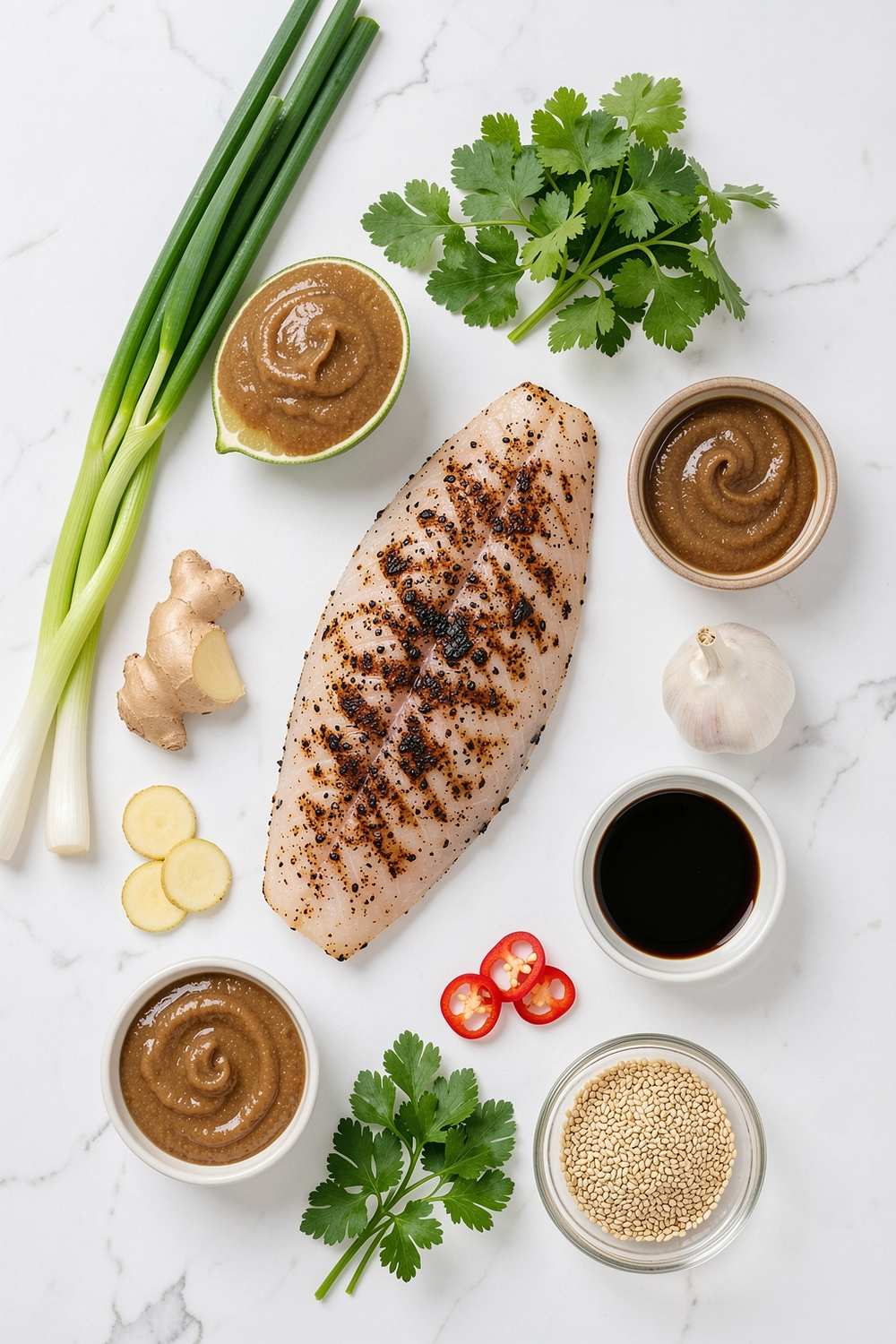
- 4 fillets black cod or sablefish (6 oz each, skin-on, about 1 to 1½ inches thick)
- ½ cup white miso (shiro or saikyo miso; avoid red miso, which is too salty and harsh here)
- ¼ cup sake (dry; or use water with 1 tsp rice vinegar if avoiding alcohol)
- ¼ cup mirin (look for hon-mirin if you can find it)
- ¼ cup granulated sugar (or 3 tbsp honey for a slightly softer sweetness)
- 1 tsp neutral oil (for the pan or parchment)
- 1 tsp toasted sesame seeds (optional garnish)
- 2 scallions, thinly sliced (optional garnish)
- 1 small piece pickled ginger (optional, traditional with this dish)
How to Make Blackened Miso Cod
Step 1: Make the Miso Marinade
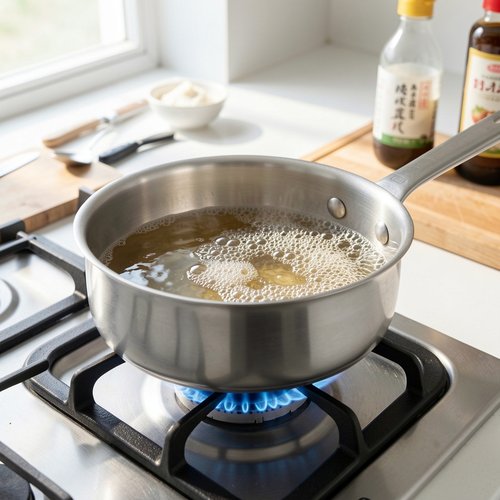
Bring the sake and mirin to a gentle boil in a small saucepan over medium heat. Let it bubble for 20 seconds to cook off the raw alcohol. Lower the heat, whisk in the sugar until dissolved, then whisk in the miso until the mixture looks like smooth, thick paint. Cool it completely before it touches the fish.
Step 2: Marinate the Fish
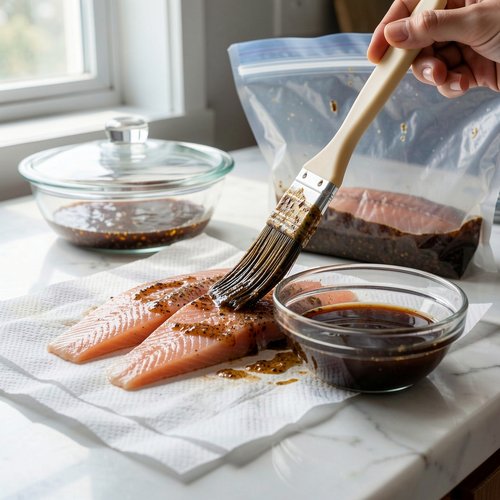
Pat the fillets very dry with paper towels. Coat them generously on all sides with the cooled marinade and place them in a glass dish or zip bag. Press out the air, seal, and refrigerate for at least 24 hours. For the deepest flavor, go 48 to 72 hours.
Step 3: Wipe Off the Excess
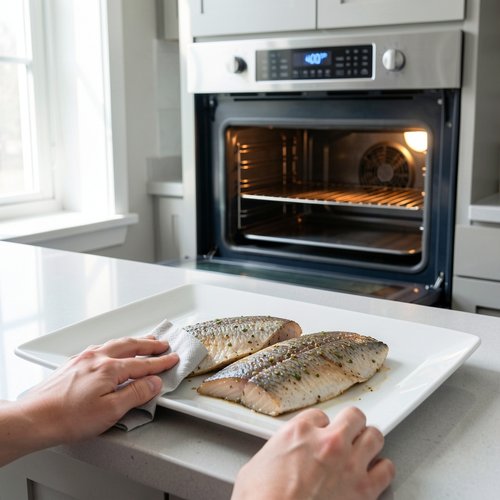
Heat the oven to 400°F with a rack about 6 inches below the broiler. Lift the fillets out and wipe off most of the marinade with your fingers or a paper towel, leaving only a thin film. Thick clumps of miso burn before the fish cooks through.
Step 4: Roast Until Nearly Done
Place the fillets skin-side down on a parchment-lined, lightly oiled baking sheet. Roast for 10 to 12 minutes, until the flesh is opaque at the edges and just starting to flake at the thickest point.
Step 5: Broil to Blacken
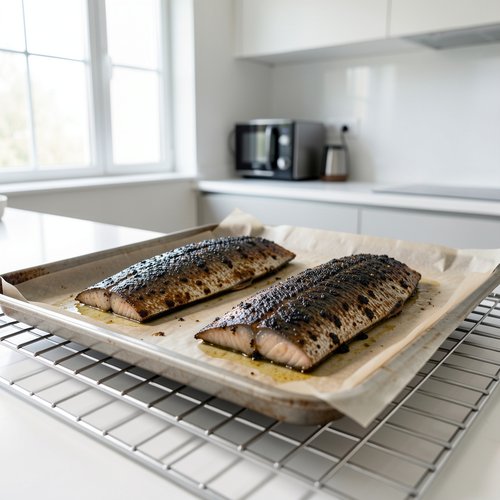
Switch the oven to broil on high and slide the pan under the heat for 2 to 3 minutes. Watch it the whole time. You want deep mahogany spots and bubbling edges, not a fully burnt surface. The fish is ready at an internal temperature of 140 to 145°F, and the center should flake easily with a fork.
How Close Is This to the Nobu Version?
Nobu Matsuhisa’s miso black cod is widely credited with popularizing the dish in the West. I can’t speak to the restaurant’s exact formula, but the classic approach is the same: sablefish, a sake-mirin-sugar-miso marinade, a long cure, and a high-heat finish.
This version matches the flavor profile and the caramelized, buttery result. To get closer, marinate for the full 48 to 72 hours and use a mild, pale white miso. The finish of the glaze depends on your broiler, so watch the fish closely.
What Is Miso Black Cod, and What Is Miso Cod?
Miso black cod is sablefish marinated in sweetened miso paste, then baked or broiled. Miso glazed, miso marinated, and blackened miso cod all describe the same idea.
“Miso cod” often refers to the same dish, but sometimes it means regular Atlantic or Pacific cod, which is leaner and flakes more firmly.
Which Miso Should You Use, and What Can You Substitute for Black Cod?
For the marinade, white miso (shiro) is the best choice because it is sweet, mellow, and low in salt compared with darker types. Yellow miso also works but gives a slightly earthier flavor.
If you can’t find black cod, these substitutes work:
- Chilean sea bass: Closest in richness and thickness. Cook for the same time.
- Salmon: Marinate 12 to 24 hours and cook for 8 to 10 minutes at 400°F.
- Halibut: Leaner, so marinate 24 hours and pull it off the heat as soon as it flakes.
- Atlantic cod: Marinate 12 to 24 hours and watch the cook time closely, since it dries out quickly.
How Do You Cook Store-Bought Miso Black Cod from Costco or Trader Joe’s?
Follow the package directions first, since products and marinades vary. Costco and Trader Joe’s have carried pre-marinated miso black cod at various times, but availability changes, so check the freezer and seafood cases.
In general, thaw the fillets overnight in the refrigerator and wipe off the excess marinade. Bake at 400°F for 10 to 12 minutes, then broil for 2 minutes to blacken. If the fish is still frozen or partly frozen, add 4 to 6 minutes of roasting before you broil.
Can You Make It in the Air Fryer?
Yes, and it works well for one or two fillets. Wipe off the excess marinade, line the basket with perforated parchment, and air fry at 380°F for 8 to 10 minutes. Check at 6 minutes, because some air fryers brown the glaze quickly.
For extra char, raise the temperature to 400°F for the last 2 minutes. The fish is done when it flakes at the center and reaches 140 to 145°F.
What Should You Eat with Miso Black Cod?
Keep the sides simple and lightly seasoned, since the fish is rich and salty-sweet. Steamed short-grain rice is the classic partner. For a herby, vibrant twist, try it with Bobby Flay Green Rice Recipe – Hungarian Chef.
Ingredients
- 4 fillets black cod or sablefish 6 oz each, skin-on, about 1 to 1½ inches thick
- ½ cup white miso shiro or saikyo miso; avoid red miso, which is too salty and harsh here
- ¼ cup sake dry; or use water with 1 tsp rice vinegar if avoiding alcohol
- ¼ cup mirin look for hon-mirin if you can find it
- ¼ cup granulated sugar or 3 tbsp honey for a slightly softer sweetness
- 1 tsp neutral oil for the pan or parchment
- 1 tsp toasted sesame seeds optional garnish
- 2 scallions, thinly sliced optional garnish
- 1 small piece pickled ginger optional, traditional with this dish
Instructions
Step 1: Make the Miso Marinade
- Bring the sake and mirin to a gentle boil in a small saucepan over medium heat. Let it bubble for 20 seconds to cook off the raw alcohol. Lower the heat, whisk in the sugar until dissolved, then whisk in the miso until the mixture looks like smooth, thick paint. Cool it completely before it touches the fish.
Step 2: Marinate the Fish
- Pat the fillets very dry with paper towels. Coat them generously on all sides with the cooled marinade and place them in a glass dish or zip bag. Press out the air, seal, and refrigerate for at least 24 hours. For the deepest flavor, go 48 to 72 hours.
Step 3: Wipe Off the Excess
- Heat the oven to 400°F with a rack about 6 inches below the broiler. Lift the fillets out and wipe off most of the marinade with your fingers or a paper towel, leaving only a thin film. Thick clumps of miso burn before the fish cooks through.
Step 4: Roast Until Nearly Done
- Place the fillets skin-side down on a parchment-lined, lightly oiled baking sheet. Roast for 10 to 12 minutes, until the flesh is opaque at the edges and just starting to flake at the thickest point.
Step 5: Broil to Blacken
- Switch the oven to broil on high and slide the pan under the heat for 2 to 3 minutes. Watch it the whole time. You want deep mahogany spots and bubbling edges, not a fully burnt surface. The fish is ready at an internal temperature of 140 to 145°F, and the center should flake easily with a fork.
For seasonal vegetables, I like these:
- Spring: blanched asparagus or snap peas with lemon
- Summer: quick-pickled cucumber salad with rice vinegar
- Fall: sautéed bok choy or roasted shiitake mushrooms
- Winter: steamed broccolini with a drop of sesame oil
More Copycat Recipes to Try
- Applebee’s Bourbon Street Chicken and Shrimp Recipe
- Bobby Flay Jalapeno Poppers Recipe – Hungarian Chef
- Vegan Caesar Dressing Recipe – Hungarian Chef

Rebecca Novak is a trained chef with over 10 years of experience in the food industry. She has worked in both fine dining and casual Hungarian restaurants and specializes in creating dishes using fresh, seasonal ingredients. She also loves exploring different cuisines worldwide, which allows her to bring unique flavors and ideas to the recipes she creates for Hungarianchef.com. On Hungarian Chef, Rebecca covers a wide range of home cooking, including dinners, side dishes, appetizers, desserts, sauces, and breakfast recipes. Her posts include comforting classics like cabbage goulash and chicken soup, along with restaurant-inspired favorites. Readers can use her recipes as step-by-step guides, relying on the ingredient lists, timings, storage notes, and substitution tips to plan meals, cook with confidence, and adapt dishes to what's in their kitchen. Read more