
This post contains affiliate links. As an Amazon Associate I earn from qualifying purchases.
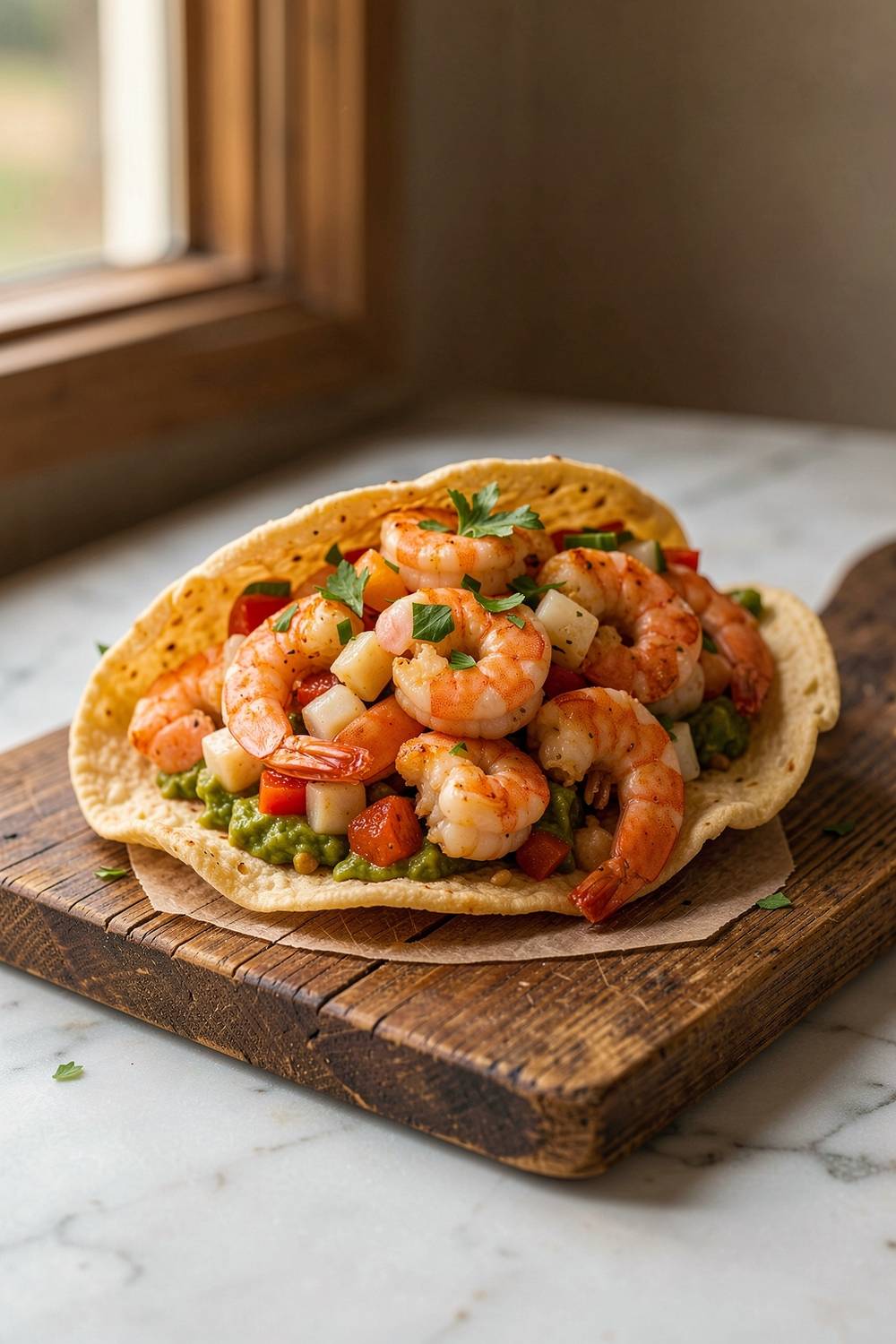
A shrimp po boy is a New Orleans sandwich of crisp, cornmeal-crusted fried shrimp piled into soft-crumbed French bread with tangy remoulade, lettuce, tomato, and pickles. It’s crunchy, juicy, spicy, and cool all at once. This version takes about 40 minutes and serves four.
Why a Shrimp Po Boy Is Worth Making at Home
The appeal is contrast. You get a shattering, seasoned crust around sweet shrimp, then a pillowy interior in the bread, cold crisp lettuce, and a creamy sauce with horseradish and hot sauce bite.
Great versions get a few things right: dry, well-seasoned coating, oil at the correct temperature, and a sauce with enough acid to cut the richness. Those are all simple to control in a home kitchen, and you don’t need special equipment beyond a heavy pot and a thermometer.
Ingredients
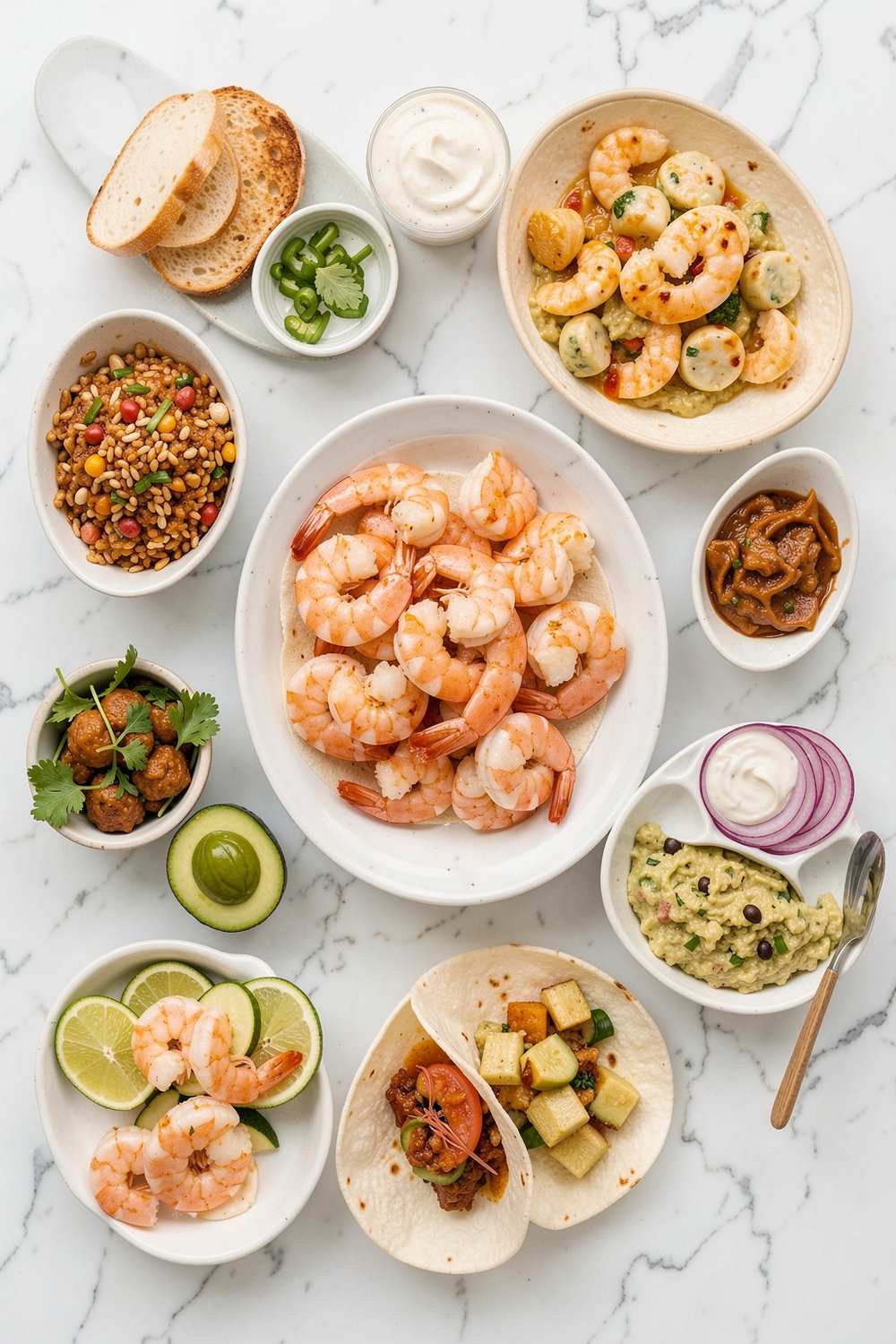
- 1.5 lb large shrimp, 21/25 count (peeled and deveined, tails removed; Gulf shrimp when in season)
- 1/2 cup buttermilk (or milk with 1/2 tbsp lemon juice)
- 1 tsp hot sauce (Louisiana-style)
- 1 cup all-purpose flour
- 1/2 cup fine cornmeal (or corn flour for a finer crust)
- 1 tbsp Cajun seasoning (check the salt level, store brands vary)
- 1 tsp smoked paprika
- 1/2 tsp garlic powder
- 1/2 tsp kosher salt
- 6 cups peanut or canola oil (for frying, about 2 inches deep)
- 3/4 cup mayonnaise (for the remoulade)
- 2 tbsp Creole mustard (or whole-grain Dijon)
- 1 tbsp prepared horseradish (drained)
- 1 tbsp lemon juice (fresh)
- 1 tsp Worcestershire sauce
- 1 tsp hot sauce (for the remoulade)
- 1 tsp smoked paprika (for the remoulade)
- 2 tbsp scallions (finely sliced)
- 1 tbsp flat-leaf parsley (minced)
- 1 tbsp cornichons or capers (finely chopped)
- 1 small garlic clove (grated)
- 4 pieces soft French bread, 7 to 8 inches each (or one baguette cut into lengths)
- 1 tbsp unsalted butter (melted, for the bread)
- 2 cups romaine or iceberg lettuce (shredded)
- 2 ripe tomatoes (sliced thin)
- 16 dill pickle chips (cold)
How to Make Shrimp Po Boy
Step 1: Make the Remoulade
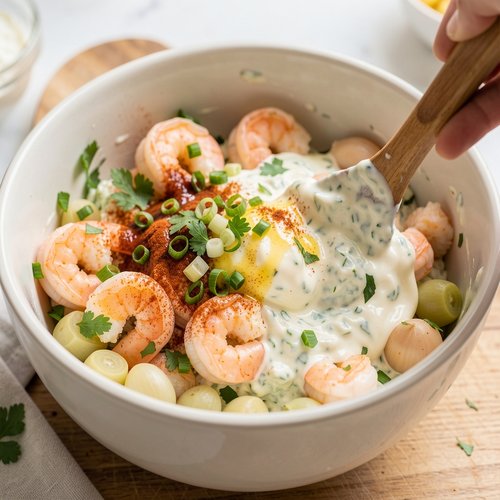
Whisk the mayonnaise, Creole mustard, horseradish, lemon juice, Worcestershire, hot sauce, paprika, scallions, parsley, cornichons, and garlic in a bowl. Taste it and add more lemon or hot sauce if it needs a sharper edge.
Cover and refrigerate while you prepare everything else. Even 15 minutes lets the garlic and horseradish mellow into the mayonnaise.
Step 2: Marinate the Shrimp
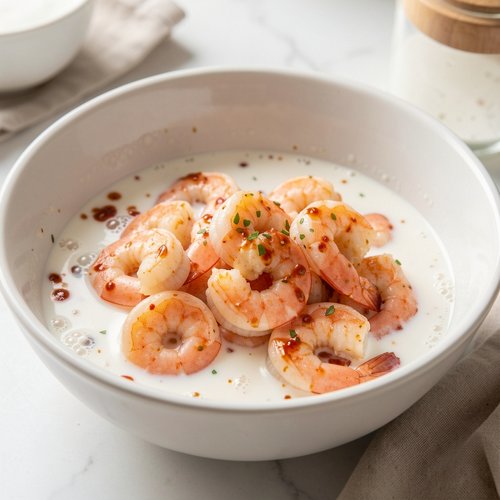
Pat the shrimp dry, then toss them with the buttermilk and 1 tsp hot sauce in a bowl. Let them sit for 15 to 30 minutes in the refrigerator. The buttermilk seasons the shrimp lightly and gives the flour something to cling to.
Step 3: Mix the Coating and Heat the Oil
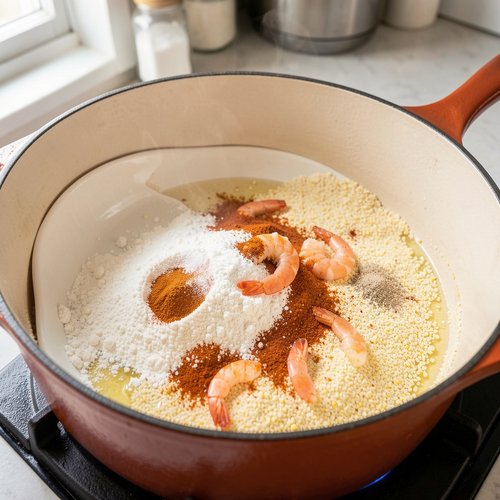
Whisk the flour, cornmeal, Cajun seasoning, paprika, garlic powder, and salt in a wide dish. Pour the oil into a heavy Dutch oven and heat it to 375°F (190°C) over medium-high heat.
Set a wire rack over a sheet pan near the stove. Do not drain fried shrimp on paper towels, because trapped steam softens the crust.
Step 4: Dredge and Fry the Shrimp
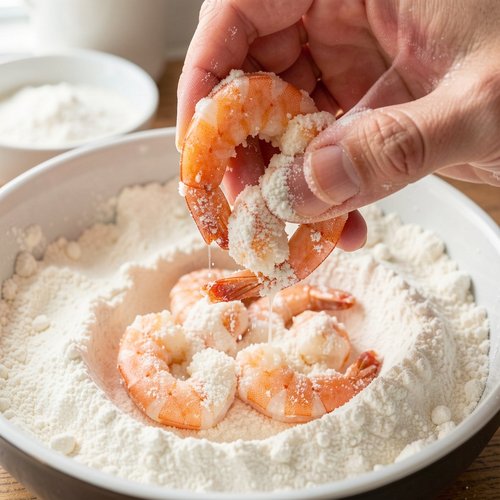
Lift a few shrimp at a time from the buttermilk, let the excess drip off, and press them firmly into the flour mixture. Shake off the loose coating. Fry in 3 batches so the oil stays near 375°F.
Cook each batch for 2 to 2½ minutes, turning once, until the crust is deep golden and the shrimp float and curl into a loose C. Move them to the rack and sprinkle with a pinch of salt right away.
Step 5: Toast the Bread
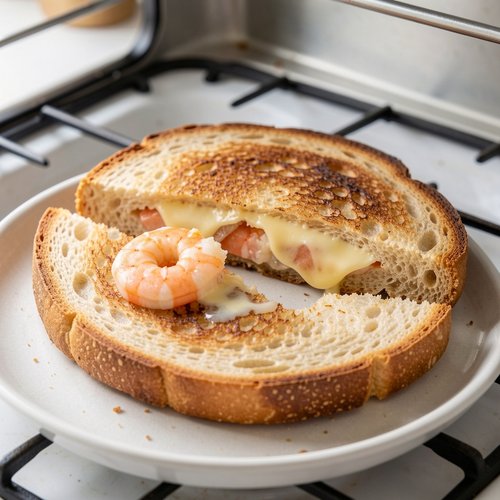
Split the bread lengthwise, leaving one side attached like a hinge. Brush the cut sides with melted butter and toast them in a 400°F oven or a dry skillet for 2 to 3 minutes. You want a lightly crisp surface with a soft, steamy interior.
Step 6: Assemble the Sandwiches
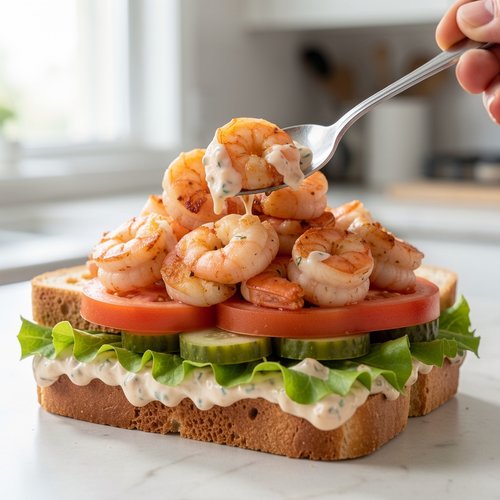
Spread remoulade generously on both sides of the bread. Layer the lettuce, tomato, and pickles, then pile in the hot shrimp. Add a final spoonful of sauce on top and eat immediately, while the crust is still crisp.
What Is in a Shrimp Po Boy?
A classic shrimp po boy has fried shrimp, French bread, and a “dressed” topping of shredded lettuce, tomato, pickles, and mayonnaise or remoulade. That’s the core, and everything else is a variation.
Some cooks add a squeeze of hot sauce or lemon. If you want a seasonal angle, use peak summer tomatoes. In cooler months, halved cherry tomatoes salted lightly taste better than pale winter slicers.
What Bread Works Best for a Shrimp Po Boy?
Choose a light French-style loaf with a thin, crackly crust and a soft, airy center. It should compress slightly when you bite, so the shrimp don’t squeeze out the back.
A dense, chewy baguette fights the filling. If that’s all you can find, scoop a little crumb from the top half before toasting. Ask your bakery for a soft sandwich-style French loaf if they have one.
Can You Make a Grilled Shrimp Po Boy?
Yes. Toss the shrimp with 1 tbsp oil and 1 tbsp Cajun seasoning, thread them onto skewers, and grill over medium-high heat for 2 to 3 minutes per side. They’re done when opaque and curled into a C. This makes a lighter sandwich, and the remoulade still carries the flavor.
For skewer technique and marinades, my Shashlik Recipe has useful pointers on even grilling.
What Sides Go with Shrimp Po Boys?
Keep sides simple and acidic, because the sandwich is rich. These work well:
- Crunchy coleslaw with a vinegar-based dressing
- Oven-baked sweet potato or regular fries
- Corn on the cob, in summer
- A cucumber and red onion salad with lemon
- Pickled okra or extra dill pickles
Can You Make It Ahead?
You can prepare the remoulade up to 3 days ahead and keep it covered in the refrigerator. Its flavor improves after a day. You can also marinate the shrimp for up to 2 hours.
Ingredients
- 1.5 lb large shrimp, 21/25 count peeled and deveined, tails removed; Gulf shrimp when in season
- 1/2 cup buttermilk or milk with 1/2 tbsp lemon juice
- 1 tsp hot sauce Louisiana-style
- 1 cup all-purpose flour
- 1/2 cup fine cornmeal or corn flour for a finer crust
- 1 tbsp Cajun seasoning check the salt level, store brands vary
- 1 tsp smoked paprika
- 1/2 tsp garlic powder
- 1/2 tsp kosher salt
- 6 cup peanut or canola oil for frying, about 2 inches deep
- 3/4 cup mayonnaise for the remoulade
- 2 tbsp Creole mustard or whole-grain Dijon
- 1 tbsp prepared horseradish drained
- 1 tbsp lemon juice fresh
- 1 tsp Worcestershire sauce
- 1 tsp hot sauce for the remoulade
- 1 tsp smoked paprika for the remoulade
- 2 tbsp scallions finely sliced
- 1 tbsp flat-leaf parsley minced
- 1 tbsp cornichons or capers finely chopped
- 1 small garlic clove grated
- 4 piece soft French bread, 7 to 8 inches each or one baguette cut into lengths
- 1 tbsp unsalted butter melted, for the bread
- 2 cup romaine or iceberg lettuce shredded
- 2 ripe tomatoes sliced thin
- 16 dill pickle chips cold
Instructions
Step 1: Make the Remoulade
- Whisk the mayonnaise, Creole mustard, horseradish, lemon juice, Worcestershire, hot sauce, paprika, scallions, parsley, cornichons, and garlic in a bowl. Taste it and add more lemon or hot sauce if it needs a sharper edge. Cover and refrigerate while you prepare everything else. Even 15 minutes lets the garlic and horseradish mellow into the mayonnaise.
Step 2: Marinate the Shrimp
- Pat the shrimp dry, then toss them with the buttermilk and 1 tsp hot sauce in a bowl. Let them sit for 15 to 30 minutes in the refrigerator. The buttermilk seasons the shrimp lightly and gives the flour something to cling to.
Step 3: Mix the Coating and Heat the Oil
- Whisk the flour, cornmeal, Cajun seasoning, paprika, garlic powder, and salt in a wide dish. Pour the oil into a heavy Dutch oven and heat it to 375°F (190°C) over medium-high heat. Set a wire rack over a sheet pan near the stove. Do not drain fried shrimp on paper towels, because trapped steam softens the crust.
Step 4: Dredge and Fry the Shrimp
- Lift a few shrimp at a time from the buttermilk, let the excess drip off, and press them firmly into the flour mixture. Shake off the loose coating. Fry in 3 batches so the oil stays near 375°F. Cook each batch for 2 to 2½ minutes, turning once, until the crust is deep golden and the shrimp float and curl into a loose C. Move them to the rack and sprinkle with a pinch of salt right away.
Step 5: Toast the Bread
- Split the bread lengthwise, leaving one side attached like a hinge. Brush the cut sides with melted butter and toast them in a 400°F oven or a dry skillet for 2 to 3 minutes. You want a lightly crisp surface with a soft, steamy interior.
Step 6: Assemble the Sandwiches
- Spread remoulade generously on both sides of the bread. Layer the lettuce, tomato, and pickles, then pile in the hot shrimp. Add a final spoonful of sauce on top and eat immediately, while the crust is still crisp. Rebecca's Tip: Use a thermometer and fry in small batches. Oil that drops below 350°F makes greasy, heavy shrimp, while oil that's too hot browns the crust before the shrimp cook through. Let the oil return to 375°F between batches.
Fry the shrimp just before serving. If you need to hold them, keep them on a rack in a 200°F oven for up to 15 minutes. Leftover fried shrimp reheat best in a 400°F oven or air fryer for 4 to 5 minutes, never in the microwave.
More Recipes to Try
- Ralph & Kacoo’s Shrimp Au Gratin Recipe (Easy)
- Shashlik Recipe – Hungarian Chef
- One Pan Tomato Basil Baked Orzo – Hungarian Chef

Rebecca Novak is a trained chef with over 10 years of experience in the food industry. She has worked in both fine dining and casual Hungarian restaurants and specializes in creating dishes using fresh, seasonal ingredients. She also loves exploring different cuisines worldwide, which allows her to bring unique flavors and ideas to the recipes she creates for Hungarianchef.com. On Hungarian Chef, Rebecca covers a wide range of home cooking, including dinners, side dishes, appetizers, desserts, sauces, and breakfast recipes. Her posts include comforting classics like cabbage goulash and chicken soup, along with restaurant-inspired favorites. Readers can use her recipes as step-by-step guides, relying on the ingredient lists, timings, storage notes, and substitution tips to plan meals, cook with confidence, and adapt dishes to what's in their kitchen. Read more