
This post contains affiliate links. As an Amazon Associate I earn from qualifying purchases.
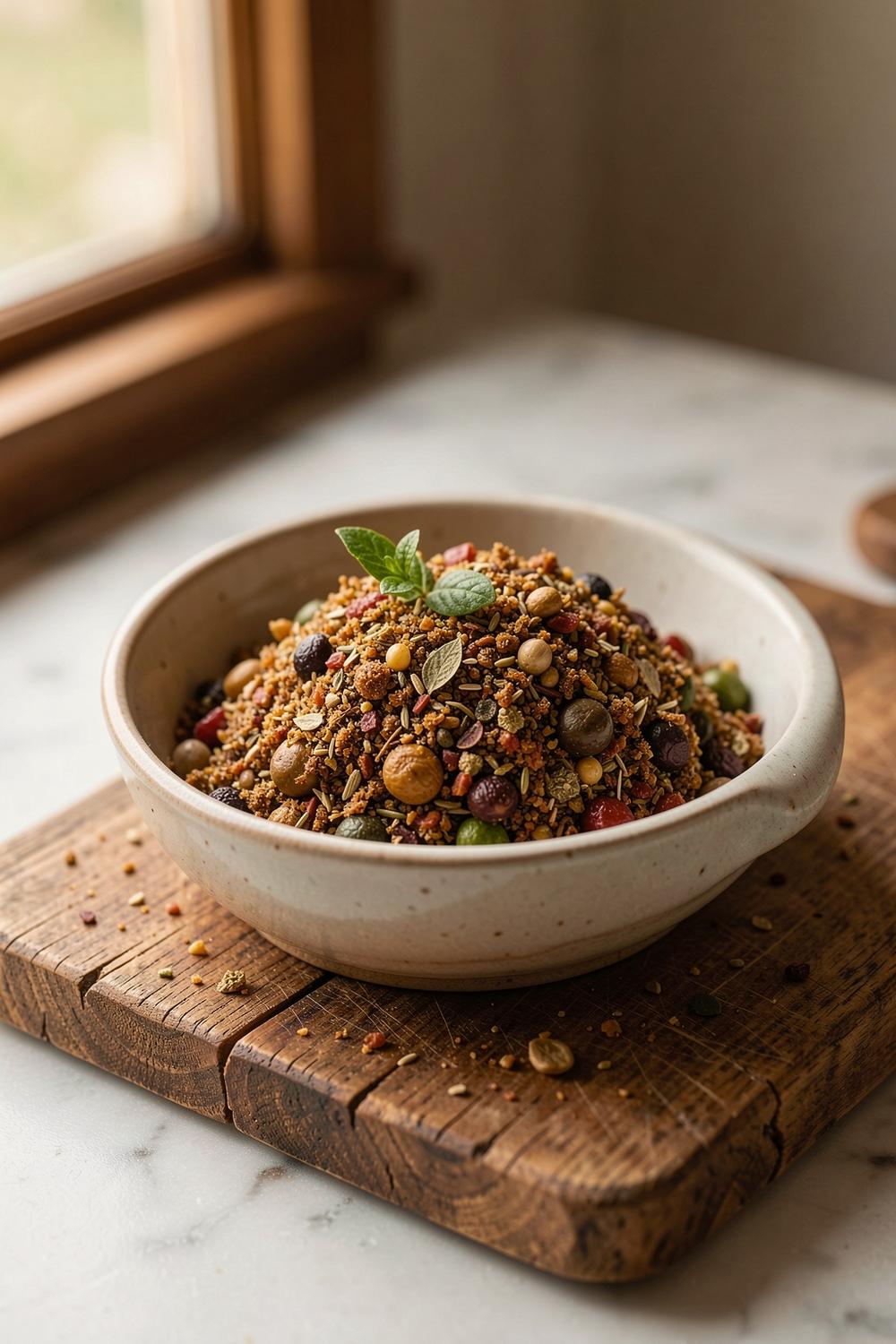
Copycat Morton’s Nature’s Seasoning is a salt-forward, savory all-purpose blend with onion, garlic, sweet paprika, turmeric, and black pepper. It tastes golden and mellow, with a hint of sweetness, and it works on nearly anything you’d salt. It takes about 5 minutes with pantry spices and makes roughly ½ cup.
Why Home Cooks Want to Recreate Morton’s Nature’s Seasoning
Morton’s Nature’s Seasons is a shaker blend that works like a seasoned salt. It’s more rounded than plain salt and less aggressive than a hot Creole mix. The flavor is savory first, then onion and garlic, with gentle warmth from paprika and pepper and a faint sweetness at the end.
People look for a copycat for three reasons. The product isn’t stocked everywhere, they want to control the sodium, or they want to check every ingredient. Making it yourself solves all three, and it costs pennies per teaspoon.
Don’t confuse this with the steakhouse chain of the same name. This is the pantry seasoning from the salt company.
Ingredients
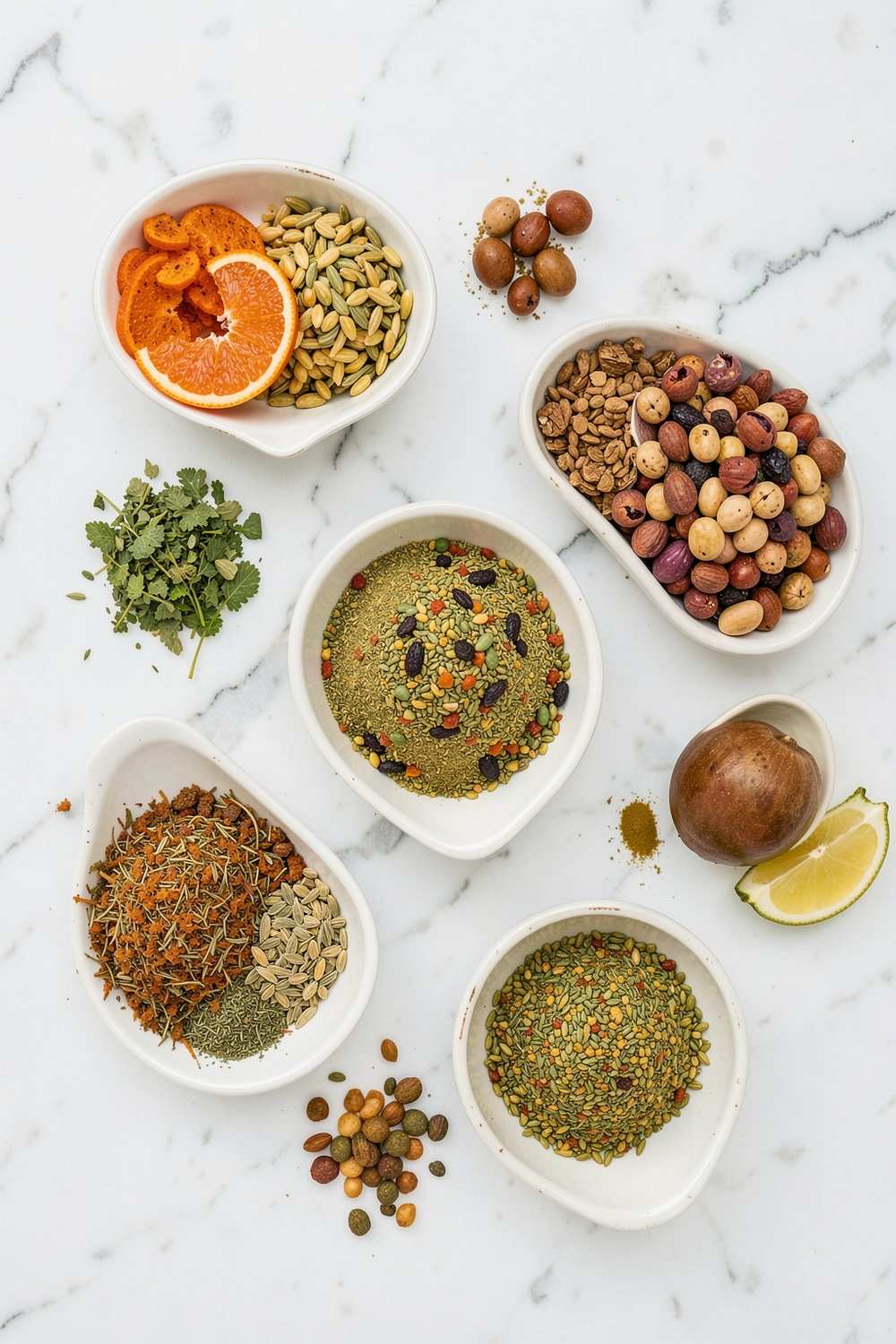
- 3 tablespoons fine sea salt (fine grind blends evenly; if using table salt, reduce slightly)
- 1 tablespoon sweet Hungarian paprika (fresh, bright red paprika gives the best color and flavor)
- 2 teaspoons onion powder (granulated onion works too)
- 2 teaspoons garlic powder (not garlic salt)
- 2 teaspoons granulated sugar (rounds out the salt)
- 1 teaspoon ground turmeric (for color and earthy depth)
- 1 teaspoon freshly ground black pepper (finely ground, not cracked)
- 1 teaspoon cornstarch (keeps the blend from clumping; arrowroot also works)
- ½ teaspoon ground celery seed (or ½ teaspoon celery salt, reducing the sea salt by ½ teaspoon)
- ½ teaspoon dried parsley, crushed to a powder (optional)
How to Make Copycat Morton’s Nature’s Seasoning Blend
Step 1: Measure and Sift the Dry Spices
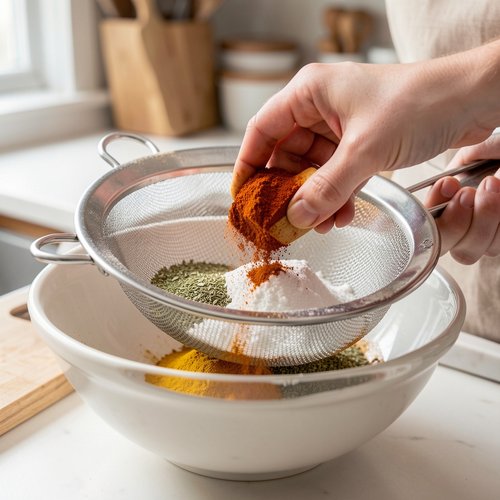
Measure the paprika, onion powder, garlic powder, turmeric, cornstarch, and celery seed into a fine-mesh sieve set over a bowl. Tap the sieve until everything passes through. Sifting breaks up the small lumps that onion and garlic powder form, so the blend pours evenly.
Step 2: Add the Salt, Sugar, and Pepper
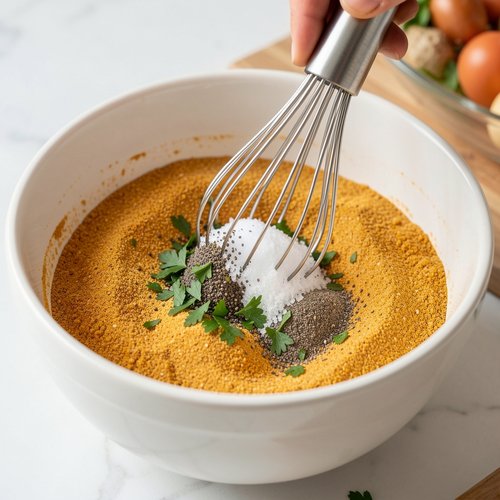
Add the sea salt, sugar, black pepper, and parsley to the bowl. Whisk for about 30 seconds until the color is a uniform golden orange with no white or yellow streaks. Streaks mean the salt isn’t evenly distributed.
Step 3: Pulse for a Shaker-Fine Texture
Transfer the mix to a clean spice grinder and pulse 5 to 8 seconds. Stop as soon as it looks like fine powder. Longer than that warms the spices and dulls their aroma. If you don’t have a grinder, rub the blend between your fingertips and keep whisking.
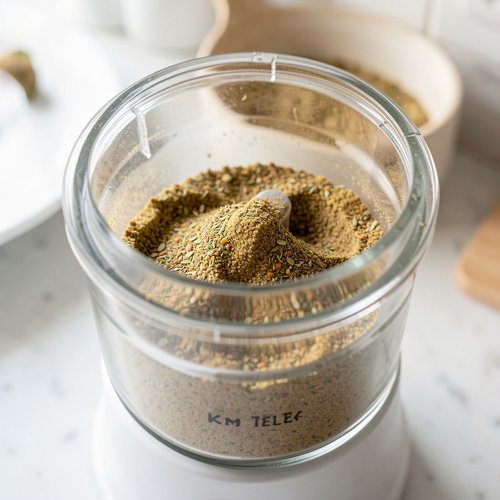
Step 4: Taste and Adjust
Sprinkle a pinch on a slice of cooked potato or a bit of scrambled egg. It should taste salty, savory, and slightly sweet, with no single spice standing out. If it’s flat, add ¼ teaspoon more onion powder. If it’s too sharp, add ½ teaspoon more sugar. Whisk again after any change.

Step 5: Store the Blend
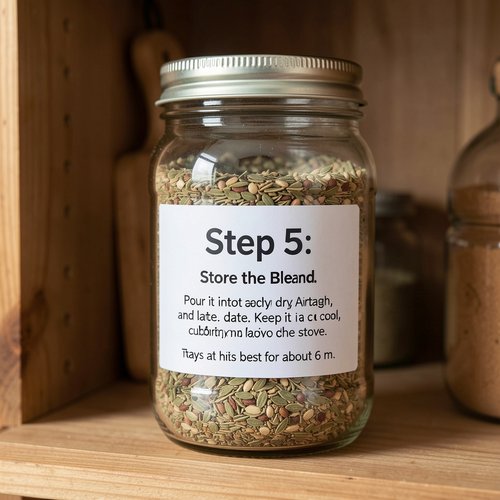
Pour it into a dry, airtight jar and label it with the date. Keep it in a cool, dark cupboard, not above the stove. It stays at its best for about 6 months. After that it’s still safe, but the paprika and garlic fade.
How Close Is This to the Morton Version?
This copycat matches the overall profile: salt-forward, savory, with onion, garlic, pepper, paprika, and turmeric color. It’s built to be used the same way, sprinkled on meat, vegetables, eggs, and potatoes.
I can’t give you the exact commercial formula, and the product’s formulation can change over time. The label on your package is the best reference for its ingredients. Differences you may notice: the store version may be slightly finer or more uniform, and the flavor balance won’t be identical. To get closer, grind the blend finer, keep the sugar low, and adjust the onion-to-garlic ratio to match what you remember.
What Spices Are in Morton’s Nature’s Seasoning?
The blend is built on salt, with onion, garlic, black pepper, and warm, mild spices that add color and flavor. Check the label on your package for the exact list, since formulations vary.
My copycat follows that profile with salt, sugar, onion, garlic, paprika, turmeric, pepper, celery seed, and parsley. It has no heat, which is why it suits so many dishes.
What Is a Good Substitute for Morton’s Nature’s Seasoning?
The closest substitute is any mild seasoned salt, such as Lawry’s or Morton Season-All. They’re separate products, so expect small differences. Season-All reads a bit saltier and more peppery in my experience, so taste first and use slightly less.
If you’re out of everything, here is a quick stand-in for one serving:
- 1 teaspoon salt
- ½ teaspoon paprika
- ¼ teaspoon onion powder
- ¼ teaspoon garlic powder
- a pinch of sugar and black pepper
Creole seasoning also works, but it usually carries cayenne and more herbs, so it will taste hotter.
Is Morton’s Nature’s Seasoning Discontinued?
I can’t confirm that it’s discontinued. Availability depends on your store and region, and some shelves simply stop carrying it. If you can’t find it locally, check the manufacturer’s website or major online retailers. Or skip the search and keep this blend in your pantry.
Can You Make It Low Sodium or Gluten Free?
Yes to both, though with different caveats. For a lower-sodium version, cut the sea salt to 4 teaspoons and add 2 teaspoons more paprika. That brings the sodium down by roughly half per teaspoon, and the paprika keeps the flavor full. I don’t recommend dropping salt entirely, because then it becomes a different blend.
Every ingredient here is naturally gluten free, so the blend is too. Cross-contamination can happen in some spice facilities, though, so choose spices labeled gluten free if you have celiac disease. I can’t state whether the commercial product is gluten free, so check its package.
Anyone on a medically restricted sodium plan should ask their doctor or dietitian before using any salt blend regularly.
How Do You Use Nature’s Seasoning Blend?
Use about 1 teaspoon per pound of meat or poultry, and ½ teaspoon for every 4 cups of vegetables or potatoes. Because the blend contains salt, don’t add extra until you’ve tasted the dish.
- Roasted chicken, pork chops, and burgers: season 15 minutes before cooking.
- Seasonal vegetables such as roasted squash, summer zucchini, or fall potatoes: toss with oil first so the seasoning clings.
- Eggs, soups, and rice: add a pinch near the end of cooking.
Ingredients
- 3 tablespoon fine sea salt fine grind blends evenly; if using table salt, reduce slightly
- 1 tablespoon sweet Hungarian paprika fresh, bright red paprika gives the best color and flavor
- 2 teaspoon onion powder granulated onion works too
- 2 teaspoon garlic powder not garlic salt
- 2 teaspoon granulated sugar rounds out the salt
- 1 teaspoon ground turmeric for color and earthy depth
- 1 teaspoon freshly ground black pepper finely ground, not cracked
- 1 teaspoon cornstarch keeps the blend from clumping; arrowroot also works
- ½ teaspoon ground celery seed or ½ teaspoon celery salt, reducing the sea salt by ½ teaspoon
- ½ teaspoon dried parsley, crushed to a powder optional
Instructions
Step 1: Measure and Sift the Dry Spices
- Measure the paprika, onion powder, garlic powder, turmeric, cornstarch, and celery seed into a fine-mesh sieve set over a bowl. Tap the sieve until everything passes through. Sifting breaks up the small lumps that onion and garlic powder form, so the blend pours evenly.
Step 2: Add the Salt, Sugar, and Pepper
- Add the sea salt, sugar, black pepper, and parsley to the bowl. Whisk for about 30 seconds until the color is a uniform golden orange with no white or yellow streaks. Streaks mean the salt isn't evenly distributed.
Step 3: Pulse for a Shaker-Fine Texture
- Transfer the mix to a clean spice grinder and pulse 5 to 8 seconds. Stop as soon as it looks like fine powder. Longer than that warms the spices and dulls their aroma. If you don't have a grinder, rub the blend between your fingertips and keep whisking.
Step 4: Taste and Adjust
- Sprinkle a pinch on a slice of cooked potato or a bit of scrambled egg. It should taste salty, savory, and slightly sweet, with no single spice standing out. If it's flat, add ¼ teaspoon more onion powder. If it's too sharp, add ½ teaspoon more sugar. Whisk again after any change.
Step 5: Store the Blend
- Pour it into a dry, airtight jar and label it with the date. Keep it in a cool, dark cupboard, not above the stove. It stays at its best for about 6 months. After that it's still safe, but the paprika and garlic fade.
For a Hungarian twist, try a small pinch in the flour dredge before browning chicken for my Hungarian Chicken Paprikash and Dumplings Recipe – Hungarian Chef. Reduce any other salt in the dish accordingly.
More Copycat Recipes to Try
- Morton’s Steakhouse Chicken Christopher Recipe – Hungarian Chef
- Outback Steakhouse Queensland Chicken And Shrimp Recipe
- Shogun Fried Rice Recipe: Easy Hibachi Copycat

Rebecca Novak is a trained chef with over 10 years of experience in the food industry. She has worked in both fine dining and casual Hungarian restaurants and specializes in creating dishes using fresh, seasonal ingredients. She also loves exploring different cuisines worldwide, which allows her to bring unique flavors and ideas to the recipes she creates for Hungarianchef.com. On Hungarian Chef, Rebecca covers a wide range of home cooking, including dinners, side dishes, appetizers, desserts, sauces, and breakfast recipes. Her posts include comforting classics like cabbage goulash and chicken soup, along with restaurant-inspired favorites. Readers can use her recipes as step-by-step guides, relying on the ingredient lists, timings, storage notes, and substitution tips to plan meals, cook with confidence, and adapt dishes to what's in their kitchen. Read more