
This post contains affiliate links. As an Amazon Associate I earn from qualifying purchases.
Shogun fried rice is a hibachi-steakhouse-style fried rice: buttery, savory, lightly smoky from a hot pan, and studded with egg, onion, carrot, and peas. This home version tastes very close to what you get at a teppanyaki table and takes about 30 minutes, start to finish. It serves 4 with chicken or shrimp, or on its own as a side.
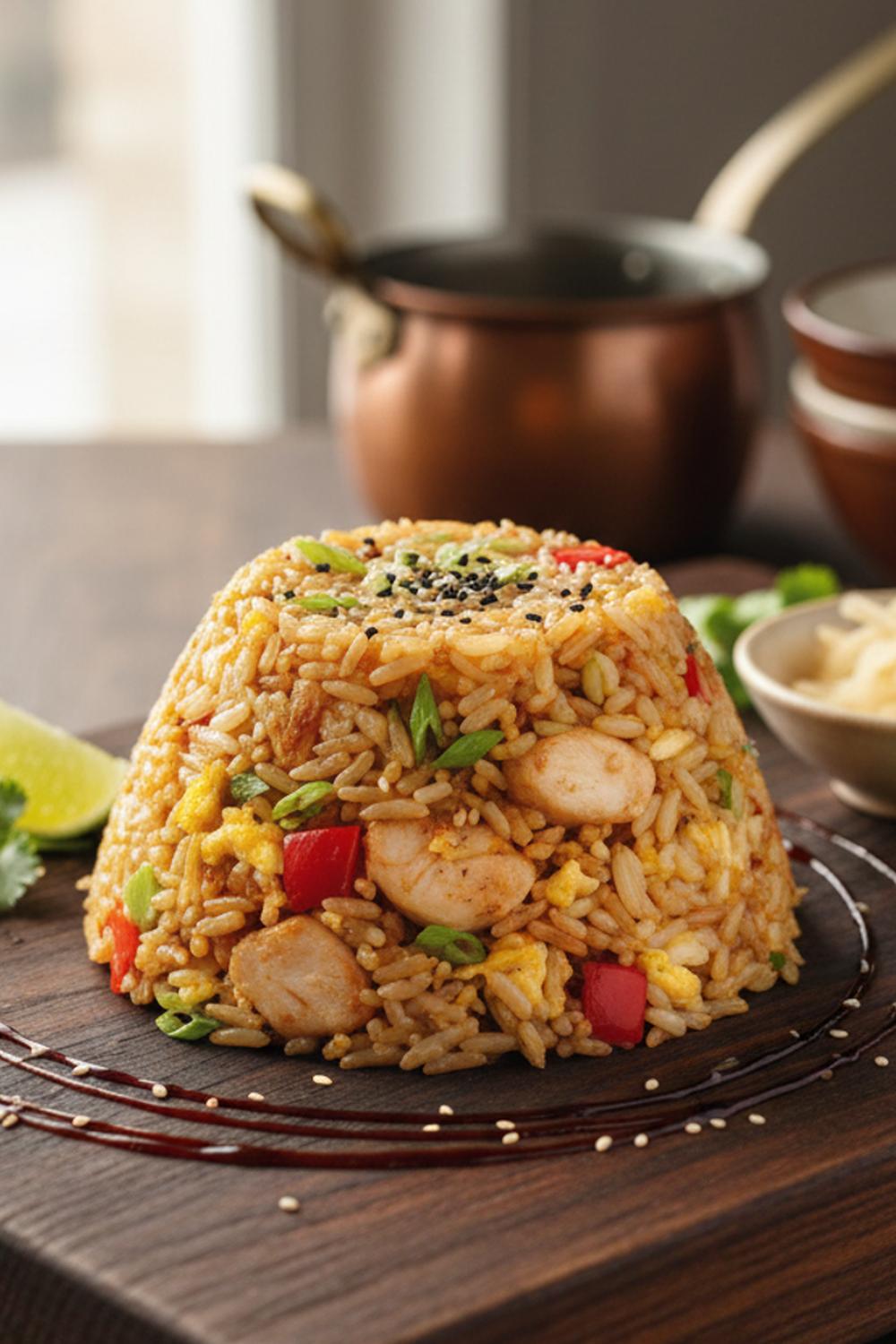
What Makes Hibachi-Style Fried Rice So Craveable?
It comes down to texture and a few simple flavors. Each grain is separate and slightly toasted, never gummy. The butter adds richness, the soy sauce adds salt and depth, and fine-diced vegetables give you sweetness and a little snap in every bite.
People want to recreate it because the restaurant version is a show, but the technique is simple. You need very hot heat, cold rice, and a fast hand. Once you understand those three things, you can make it at home on a weeknight for far less than a restaurant check.
Ingredients
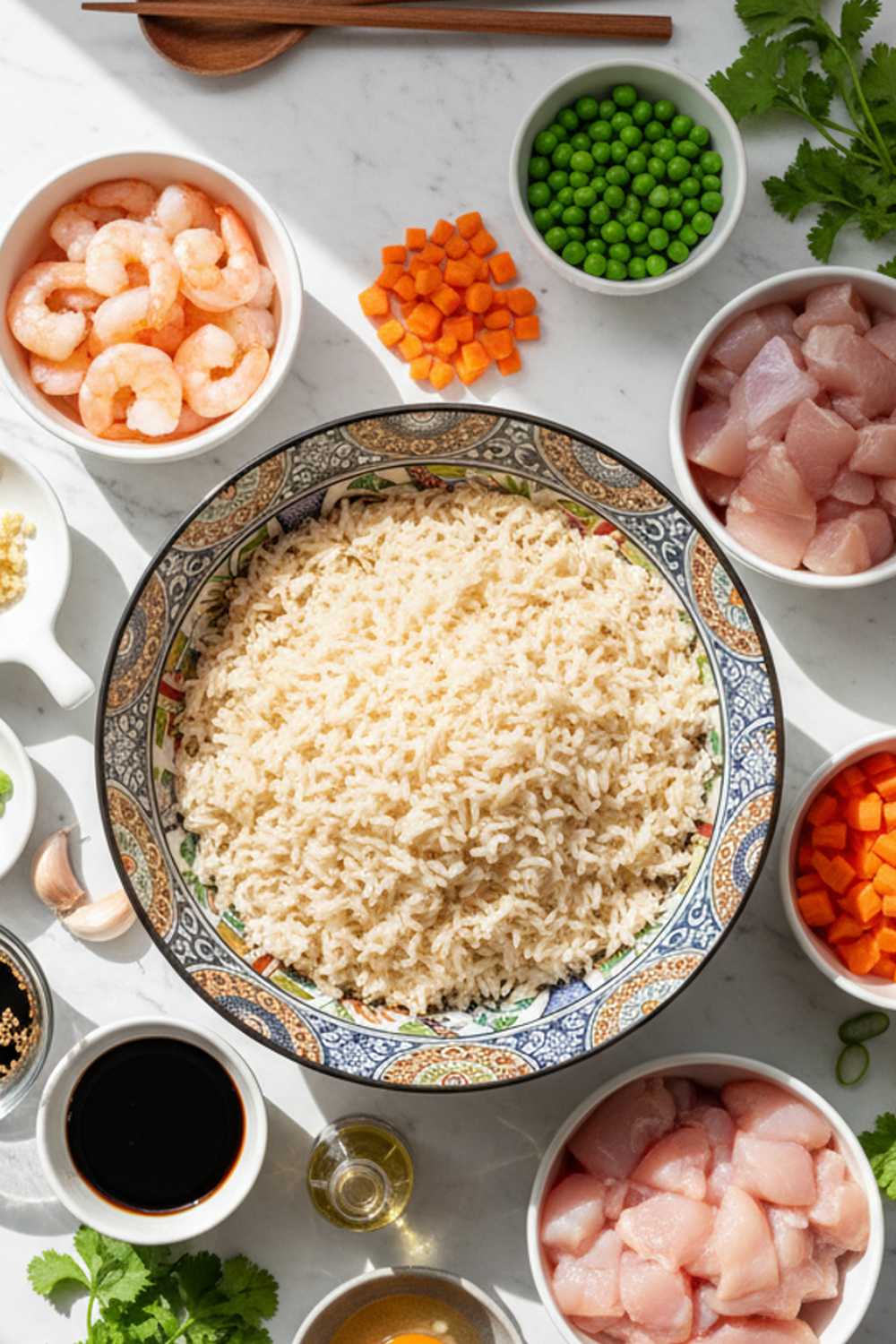
- 4 cups cooked white rice, chilled (day-old long-grain or medium-grain; about 1⅓ cups uncooked)
- 3 tablespoons unsalted butter (divided)
- 1 tablespoon neutral oil (avocado, canola, or grapeseed)
- 3 large eggs (lightly beaten with a pinch of salt)
- 1 cup yellow onion (finely diced)
- ½ cup carrot (finely diced, about 1 small carrot)
- ½ cup frozen peas (no need to thaw)
- 3 cloves garlic (minced)
- 3 tablespoons low-sodium soy sauce (plus more to taste)
- 1 teaspoon toasted sesame oil
- ½ teaspoon granulated sugar (optional, rounds out the soy)
- ¼ teaspoon freshly ground black pepper
- 2 scallions (thinly sliced, green parts only for garnish)
- 12 ounces boneless skinless chicken breast (cut into ½-inch cubes; or peeled shrimp, or skip for a vegetable version)
- ½ teaspoon kosher salt (for seasoning the protein)
How to Make Shogun Fried Rice
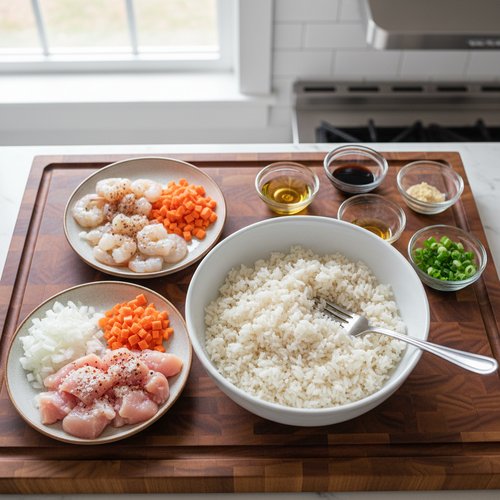
Step 1: Prep Everything Before You Heat the Pan
Break up the cold rice with your fingers until no clumps remain. Dice the onion and carrot small, about ¼ inch, so they cook in the same time as the rice. Season the chicken or shrimp with the salt and pepper.
Mix the soy sauce, sesame oil, and sugar in a small bowl. Fried rice moves fast, so everything should be within arm’s reach.
Step 2: Sear the Protein
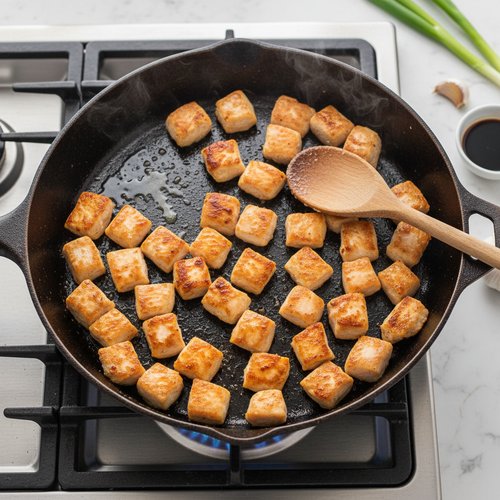
Heat a 12-inch carbon steel or cast-iron skillet over medium-high heat for 2 minutes. Add 1 teaspoon oil and 1 tablespoon butter. Add the chicken in a single layer and leave it alone for 2 minutes until golden underneath.
Stir and cook another 3 to 4 minutes, until the center reaches 165°F and the juices run clear. For shrimp, cook about 90 seconds per side until pink and opaque. Move the protein to a plate.
Step 3: Cook the Vegetables and Garlic
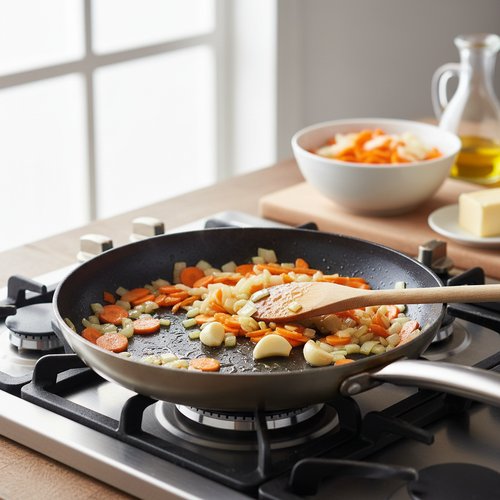
Add the remaining oil and 1 tablespoon butter to the same pan. Add the onion and carrot and cook 3 to 4 minutes, stirring often, until the onion looks translucent at the edges. Add the peas and garlic and cook 30 seconds, just until fragrant.
Push everything to one side of the pan so you have a bare patch for the eggs.
Step 4: Scramble the Eggs
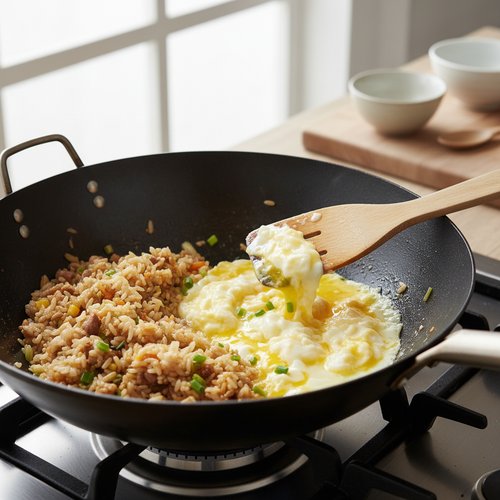
Pour the eggs into the empty space and stir gently for about 45 seconds. Stop when they are just set but still glossy. Break them into small curds with your spatula, then fold them into the vegetables.
Step 5: Fry the Rice
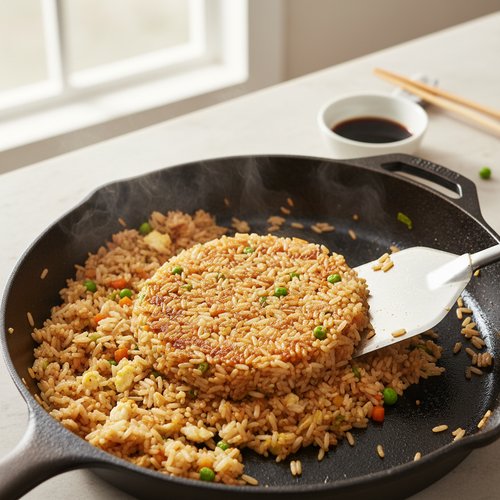
Add the rice and the last tablespoon of butter. Spread the rice across the pan and press it down for 30 seconds so the grains toast, then toss. Repeat for 3 to 4 minutes, until the rice is hot all the way through and you hear a light crackle.
Pour the soy mixture around the edges of the pan, not directly onto the rice, so it sizzles and caramelizes slightly. Toss well.
Step 6: Finish and Serve
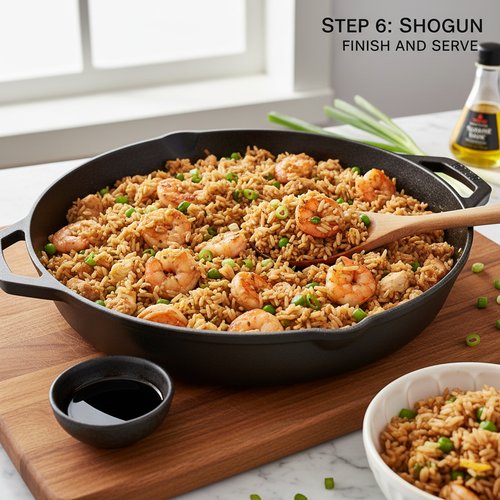
Return the chicken or shrimp to the pan and toss for 1 minute. Taste and add a splash more soy sauce if needed. Fold in the scallions, then serve right away while the rice is still steaming.
How Close Is This to the Shogun Version?
This matches the style most diners remember: buttery, soy-seasoned rice with egg, onion, carrot, and peas, finished fast over high heat. I can’t speak to the restaurant’s exact formula, so this is a copycat built on standard hibachi technique rather than an official recipe.
The main difference is equipment. A steakhouse flat-top gets far hotter than a home burner, so you will get less char. To get closer, use a heavy skillet, preheat it well, and cook in two batches if your pan is smaller than 12 inches. Crowding the pan steams the rice instead of frying it.
What Is in Shogun’s Fried Rice?
Hibachi-style fried rice is typically made with rice, egg, butter, soy sauce, onion, carrot, and peas, often with garlic and a little sesame oil. That is the foundation I used here. Since I can’t verify any restaurant’s exact ingredient list, treat this as a faithful flavor match and adjust to taste.
If you like a lighter, more savory flavor, use less butter and add the extra soy at the end. If you want more depth, add a teaspoon of the sesame oil at the very end instead of earlier, where heat dulls its aroma.
How Do You Make Shogun Chicken or Shrimp Fried Rice?
Use the same method and swap the protein in Step 2. Both versions work with the quantities listed above.
- Chicken: Cut breast or thigh into ½-inch cubes so it cooks evenly. Cook to 165°F. Thighs stay juicier if you reheat leftovers.
- Shrimp: Use medium shrimp, peeled and patted very dry. Cook 90 seconds per side until they curl into a loose C. A tight O means overcooked.
- Combo: Use 6 ounces of each and sear them separately, since they cook at different speeds.
How Many Calories Are in Shogun Fried Rice?
This homemade version comes to roughly 450 to 550 calories per serving with chicken, about 400 with shrimp, and about 380 with no protein. These are estimates based on standard ingredient values, not the restaurant’s published numbers. Restaurant portions are often larger and use more butter and oil, so they may run higher.
To lighten it, cut the butter to 2 tablespoons, add another ½ cup of vegetables, and use low-sodium soy sauce. You keep the flavor while trimming fat and sodium.
Can You Make It Ahead?
Yes. Cool leftovers quickly and refrigerate within an hour of cooking, then eat within 3 to 4 days. Rice can carry bacteria that survive cooking, so speed matters.
Ingredients
- 4 cup cooked white rice, chilled day-old long-grain or medium-grain; about 1⅓ cups uncooked
- 3 tablespoon unsalted butter divided
- 1 tablespoon neutral oil avocado, canola, or grapeseed
- 3 large eggs lightly beaten with a pinch of salt
- 1 cup yellow onion finely diced
- ½ cup carrot finely diced, about 1 small carrot
- ½ cup frozen peas no need to thaw
- 3 clove garlic minced
- 3 tablespoon low-sodium soy sauce plus more to taste
- 1 teaspoon toasted sesame oil
- ½ teaspoon granulated sugar optional, rounds out the soy
- ¼ teaspoon freshly ground black pepper
- 2 scallions thinly sliced, green parts only for garnish
- 12 ounce boneless skinless chicken breast cut into ½-inch cubes; or peeled shrimp, or skip for a vegetable version
- ½ teaspoon kosher salt for seasoning the protein
Instructions
Step 1: Prep Everything Before You Heat the Pan
- Break up the cold rice with your fingers until no clumps remain. Dice the onion and carrot small, about ¼ inch, so they cook in the same time as the rice. Season the chicken or shrimp with the salt and pepper. Mix the soy sauce, sesame oil, and sugar in a small bowl. Fried rice moves fast, so everything should be within arm's reach.
Step 2: Sear the Protein
- Heat a 12-inch carbon steel or cast-iron skillet over medium-high heat for 2 minutes. Add 1 teaspoon oil and 1 tablespoon butter. Add the chicken in a single layer and leave it alone for 2 minutes until golden underneath. Stir and cook another 3 to 4 minutes, until the center reaches 165°F and the juices run clear. For shrimp, cook about 90 seconds per side until pink and opaque. Move the protein to a plate.
Step 3: Cook the Vegetables and Garlic
- Add the remaining oil and 1 tablespoon butter to the same pan. Add the onion and carrot and cook 3 to 4 minutes, stirring often, until the onion looks translucent at the edges. Add the peas and garlic and cook 30 seconds, just until fragrant. Push everything to one side of the pan so you have a bare patch for the eggs.
Step 4: Scramble the Eggs
- Pour the eggs into the empty space and stir gently for about 45 seconds. Stop when they are just set but still glossy. Break them into small curds with your spatula, then fold them into the vegetables.
Step 5: Fry the Rice
- Add the rice and the last tablespoon of butter. Spread the rice across the pan and press it down for 30 seconds so the grains toast, then toss. Repeat for 3 to 4 minutes, until the rice is hot all the way through and you hear a light crackle. Pour the soy mixture around the edges of the pan, not directly onto the rice, so it sizzles and caramelizes slightly. Toss well.
Step 6: Finish and Serve
- Return the chicken or shrimp to the pan and toss for 1 minute. Taste and add a splash more soy sauce if needed. Fold in the scallions, then serve right away while the rice is still steaming.
Reheat in a hot skillet with a teaspoon of oil and a splash of water until steaming hot, at least 165°F. The microwave works too, covered, with a tablespoon of water stirred in halfway through.
More Copycat Recipes to Try
- Shashlik Recipe – Hungarian Chef: grilled skewers that pair well with a big pan of fried rice.
- Authentic Puerto Rican Rice And Beans – Hungarian Chef: another rice dish with deep, savory flavor.
- Ralph & Kacoo’s Shrimp Au Gratin Recipe (Easy): a rich restaurant-style shrimp dish.
- Lecso Recipe – Hungarian Chef: a Hungarian pepper and tomato stew that is lovely over rice.

Rebecca Novak is a trained chef with over 10 years of experience in the food industry. She has worked in both fine dining and casual Hungarian restaurants and specializes in creating dishes using fresh, seasonal ingredients. She also loves exploring different cuisines worldwide, which allows her to bring unique flavors and ideas to the recipes she creates for Hungarianchef.com. Read more