
This post contains affiliate links. As an Amazon Associate I earn from qualifying purchases.
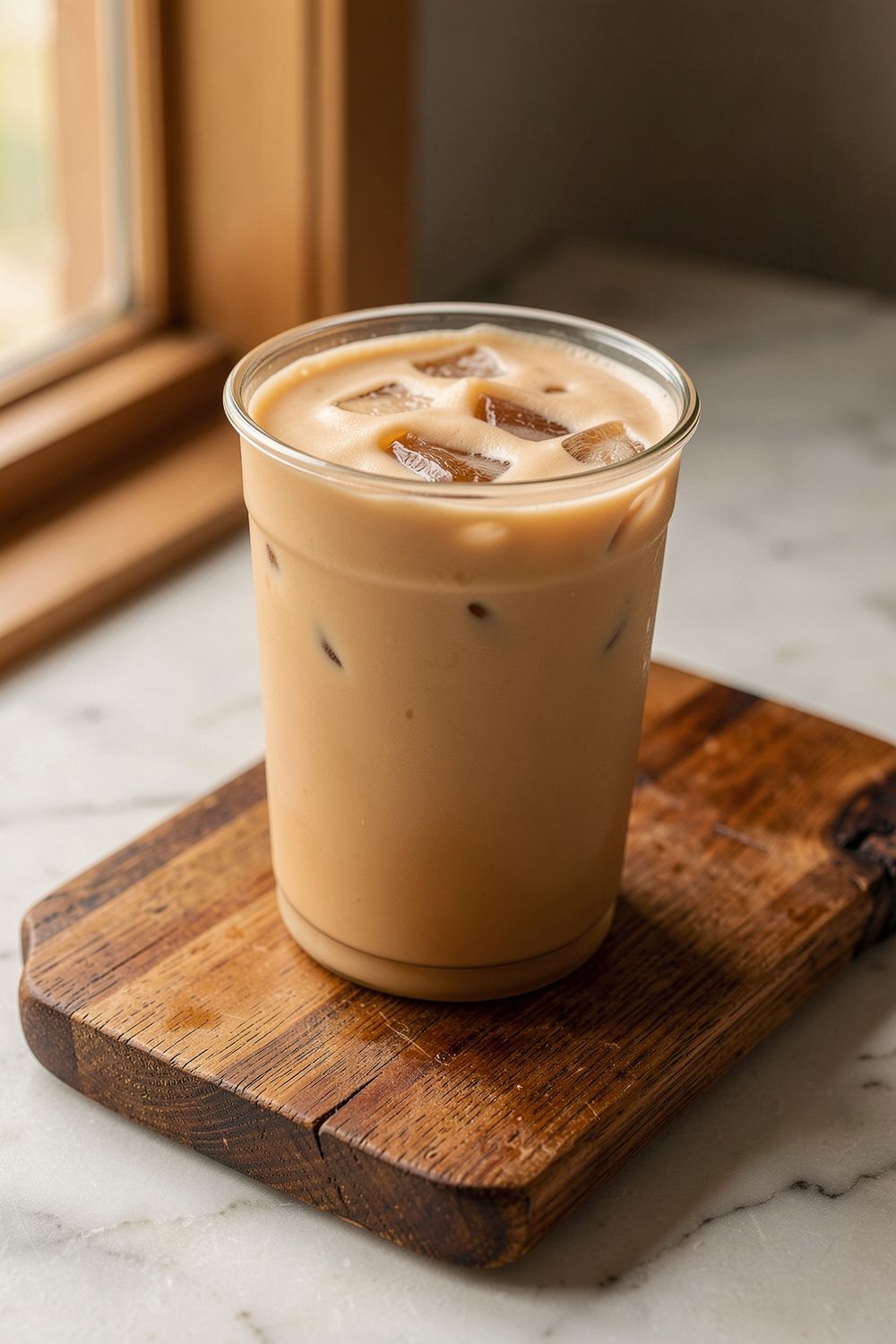
Hong Kong-style milk tea is a strong black tea blend simmered, strained through fine mesh or cloth, and finished with evaporated milk. It tastes malty, slightly bittersweet, and silky, with creaminess that never turns heavy. This hk milk tea recipe takes about 20 minutes and makes 2 mugs.
What Makes Hong Kong Milk Tea Special
The appeal is the contrast. The tea is brewed much stronger than a typical cup, so it stands up to the milk instead of disappearing into it. Evaporated milk adds body and a faintly cooked-milk sweetness that fresh milk does not.
The texture comes from technique. Cha chaan teng (Hong Kong tea café) versions are traditionally strained through a cloth filter, often called a “silk stocking,” and poured between vessels. This removes tannic grit and leaves a smooth, rounded cup.
Once you have the method down, how to make Hong Kong milk tea at home is simple. You need good tea, a strong brew, and a fine strainer.
Ingredients
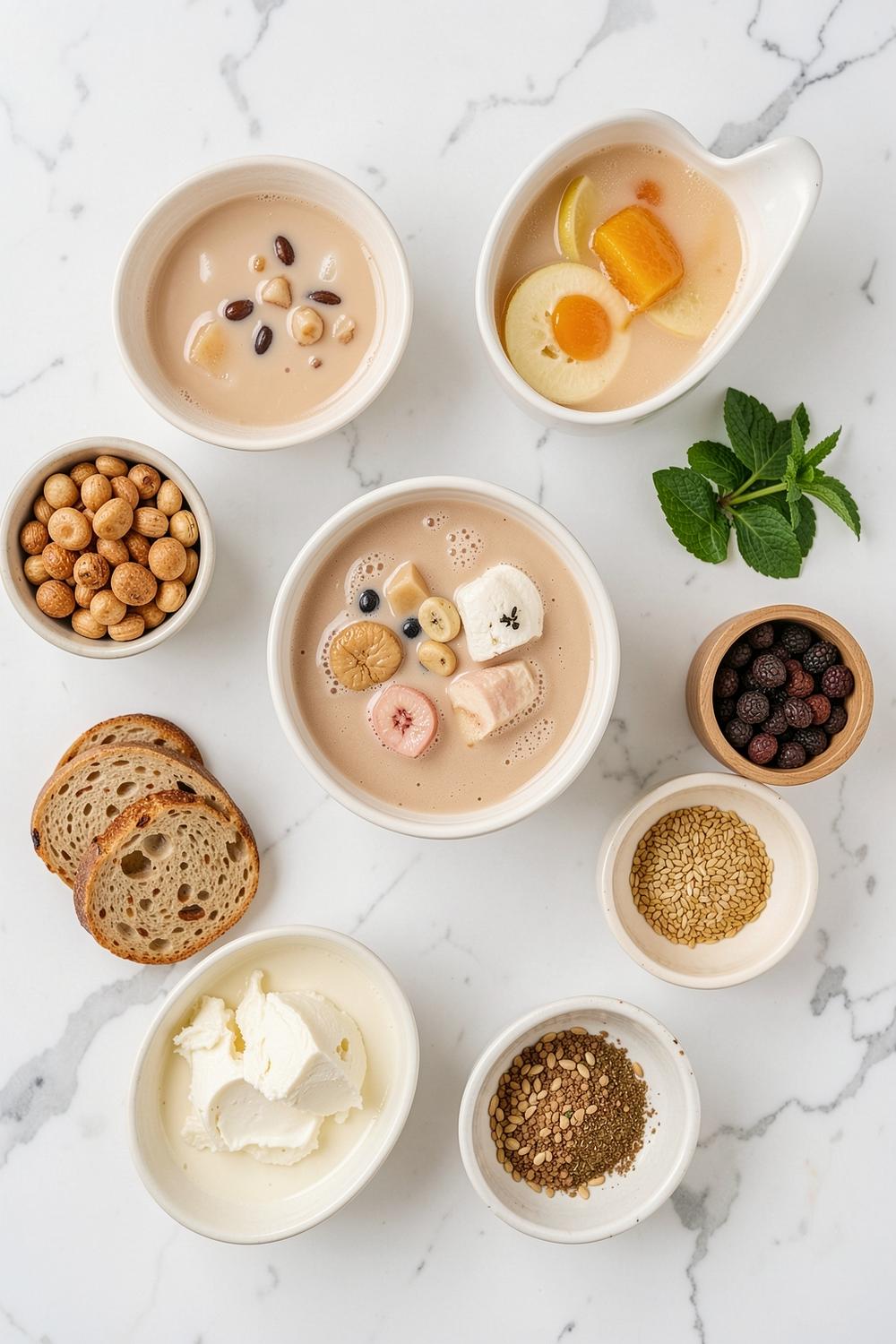
- 2 1/2 cups (600 ml) cold water (filtered if your tap water is hard)
- 2 tablespoons Ceylon black tea leaves, broken-leaf grade (about 8 g)
- 1 tablespoon Assam black tea leaves (adds deeper malt; or use 3 more teaspoons Ceylon)
- 1/2 cup (120 ml) evaporated milk (whole for the classic texture, low-fat for fewer calories)
- 2 to 4 teaspoons granulated sugar (or 1 to 2 tablespoons sweetened condensed milk)
- 1 pinch salt (optional; it softens bitterness)
Swap: 5 plain black tea bags can replace the loose leaves, though the flavor is a bit flatter.
How to Make Hong Kong Milk Tea
Step 1: Warm Your Mugs and Milk
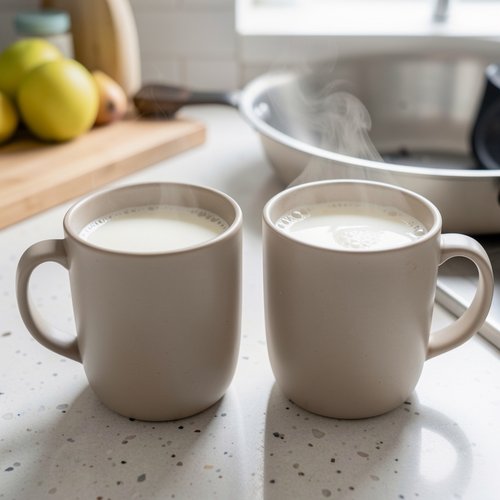
Fill two heavy ceramic mugs with hot tap water and let them sit while you brew. Gently warm the evaporated milk in a small pan or the microwave until steaming but not simmering, about 30 seconds in the microwave. Cold milk will drop the temperature of the tea and mute its aroma.
Step 2: Simmer the Tea
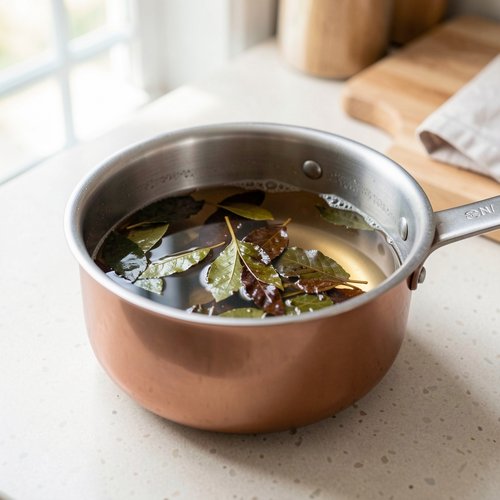
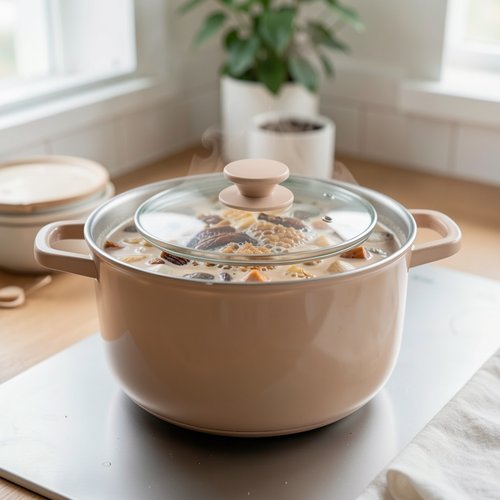
Bring the water to a full boil in a small saucepan. Add the Ceylon and Assam leaves, reduce the heat to low, and simmer for 4 minutes. The liquid should turn a deep, dark reddish-brown, almost the color of strong coffee.
Step 3: Steep Off the Heat
Turn off the heat, cover, and steep 3 more minutes. Longer steeping adds body but also bitterness, so stop at 7 minutes total. You should have about 2 cups (480 ml) of tea once the leaves have absorbed some water.
Step 4: Strain and “Pull” the Tea
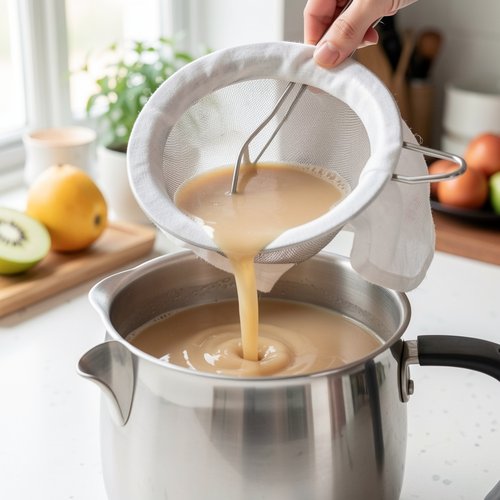
Pour the tea through a very fine mesh strainer or a clean cotton or muslin cloth into a second pot or pitcher. Then pour it back and forth between the two pots 3 or 4 times from a modest height. This aerates the tea and mellows its edge, giving it that characteristic silky feel.
Step 5: Add Sugar and Milk
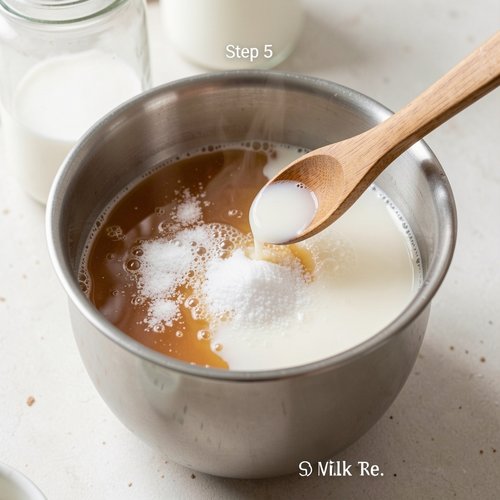
Stir the sugar and salt into the hot tea until dissolved. Add the warm evaporated milk and stir once. Taste, and add more sugar if you like a sweeter cup. Empty the mugs, pour in the tea, and serve right away.
What Is Hong Kong Milk Tea Made Of, and What Tea Is Used?
Hong Kong milk tea is made of black tea, evaporated milk, and sugar, with nothing else required. Shops commonly use blends built around Ceylon (Sri Lankan) black tea, often with other black teas added for color and strength. Exact blends vary and are usually proprietary, so I won’t claim any single formula.
For hk milk tea leaves at home, look for small, broken-leaf or fannings-style black tea, which releases flavor quickly. Whole, delicate leaves such as premium Darjeeling are too subtle for this drink. A Ceylon and Assam mix like the one above is an easy way to approximate a tea-house blend.
In Cantonese it is called “naai cha” (奶茶), and the strained version is sometimes nicknamed silk stocking milk tea.
How Do You Make It Iced?
To make Hong Kong milk tea iced, brew it stronger and chill it before serving. Use the same recipe but with 3 tablespoons Ceylon and 1 1/2 tablespoons Assam, since ice will dilute the drink.
- Strain and pull the tea as in Step 4, then stir in the sugar while it is hot.
- Cool to room temperature, then refrigerate for 1 hour.
- Fill two tall glasses with ice, pour in the tea, and stir in cold evaporated milk (about 1/4 cup per glass).
Cold evaporated milk added to hot tea can taste slightly flat, which is why I chill the tea first. This is the version I prefer in summer, while the hot one suits cold months.
How Do You Make Hong Kong Milk Tea Coffee (Yuenyeung)?
Combine strong brewed coffee with finished milk tea. The popular Hong Kong drink called yuenyeung is typically a mix of the two, with tea as the larger part. A good starting ratio is 2 parts hot milk tea to 1 part hot, freshly brewed coffee, sweetened to taste.
Use a medium-dark roast with low acidity. Bright, fruity coffees clash with the malty tea.
Calories and Caffeine: What to Expect
One serving of this recipe has roughly 115 calories with whole evaporated milk and 2 teaspoons of sugar. Low-fat evaporated milk brings it closer to 80 calories. Using condensed milk instead of sugar raises it to roughly 150 to 180, depending on how much you add. These are estimates, since brands differ.
For hk milk tea caffeine, a strongly brewed 10-ounce cup typically lands in the range of about 60 to 90 mg. That is generally less than a similar cup of coffee, though it depends on the leaf and brewing time. If you are sensitive, reduce the leaves to 2 tablespoons total and steep 5 minutes instead of 7.
Can You Use Tea Powder, or Turn It Into Bubble Tea, Ice Cream, or Tiramisu?
Yes to all of them, with some compromises. Hk milk tea powder (instant 3-in-1 mixes) is convenient, but it is usually sweeter and has less tea depth than a fresh brew. Use it when you are short on time, and look for versions that list tea high on the ingredient list.
For bubble tea, the milk tea base works well with cooked tapioca pearls. Bubble tea is widely associated with Taiwan, but Hong Kong-style milk tea is a popular base in many shops. Make the iced version above and add 1/3 cup cooked pearls per glass.
For ice cream, simmer 1 cup finished milk tea until reduced to about 1/3 cup. Cool it, then fold into 1 cup whipped heavy cream with 1/2 cup sweetened condensed milk. Freeze at least 6 hours.
Ingredients
- 2 1/2 cup cold water 600 ml
- 2 tablespoon Ceylon black tea leaves, broken-leaf grade about 8 g
- 1 tablespoon Assam black tea leaves adds deeper malt; or use 3 more teaspoons Ceylon
- 1/2 cup evaporated milk 120 ml
- 2 to 4 teaspoons granulated sugar or 1 to 2 tablespoons sweetened condensed milk
- 1 pinch salt optional; it softens bitterness
Instructions
Step 1: Warm Your Mugs and Milk
- Fill two heavy ceramic mugs with hot tap water and let them sit while you brew. Gently warm the evaporated milk in a small pan or the microwave until steaming but not simmering, about 30 seconds in the microwave. Cold milk will drop the temperature of the tea and mute its aroma.
Step 2: Simmer the Tea
- Bring the water to a full boil in a small saucepan. Add the Ceylon and Assam leaves, reduce the heat to low, and simmer for 4 minutes. The liquid should turn a deep, dark reddish-brown, almost the color of strong coffee.
Step 3: Steep Off the Heat
- Turn off the heat, cover, and steep 3 more minutes. Longer steeping adds body but also bitterness, so stop at 7 minutes total. You should have about 2 cups (480 ml) of tea once the leaves have absorbed some water.
Step 4: Strain and “Pull” the Tea
- Pour the tea through a very fine mesh strainer or a clean cotton or muslin cloth into a second pot or pitcher. Then pour it back and forth between the two pots 3 or 4 times from a modest height. This aerates the tea and mellows its edge, giving it that characteristic silky feel.
Step 5: Add Sugar and Milk
- Stir the sugar and salt into the hot tea until dissolved. Add the warm evaporated milk and stir once. Taste, and add more sugar if you like a sweeter cup. Empty the mugs, pour in the tea, and serve right away. Rebecca's Tip: Add the milk after straining, never before. Milk proteins bind to tannins and dull the tea's flavor, so you lose that bold, malty backbone. If your tea tastes thin, use more leaves instead of steeping longer, because extra time only brings out harshness.
For tiramisu, dip ladyfingers briefly in cooled, strong, unsweetened milk tea instead of espresso, then layer with mascarpone cream as usual.
More Recipes to Try
- Oyako Donburi Recipe: Easy Chicken and Egg Rice Bowl
- Banana Walnut Pancakes Recipe (Fluffy, 35 Minutes)
- Chocolate Soufflé Recipe: Easy, Foolproof, 35 Minutes

Rebecca Novak is a trained chef with over 10 years of experience in the food industry. She has worked in both fine dining and casual Hungarian restaurants and specializes in creating dishes using fresh, seasonal ingredients. She also loves exploring different cuisines worldwide, which allows her to bring unique flavors and ideas to the recipes she creates for Hungarianchef.com. On Hungarian Chef, Rebecca covers a wide range of home cooking, including dinners, side dishes, appetizers, desserts, sauces, and breakfast recipes. Her posts include comforting classics like cabbage goulash and chicken soup, along with restaurant-inspired favorites. Readers can use her recipes as step-by-step guides, relying on the ingredient lists, timings, storage notes, and substitution tips to plan meals, cook with confidence, and adapt dishes to what's in their kitchen. Read more