
This post contains affiliate links. As an Amazon Associate I earn from qualifying purchases.
Patagonia scallop pasta is a quick garlic, lemon and paprika-butter dish built around small, sweet scallops from the cold waters off Argentina. The scallops sear in about two minutes and the sauce comes together in the same pan. The whole dish takes about 35 minutes and serves four.
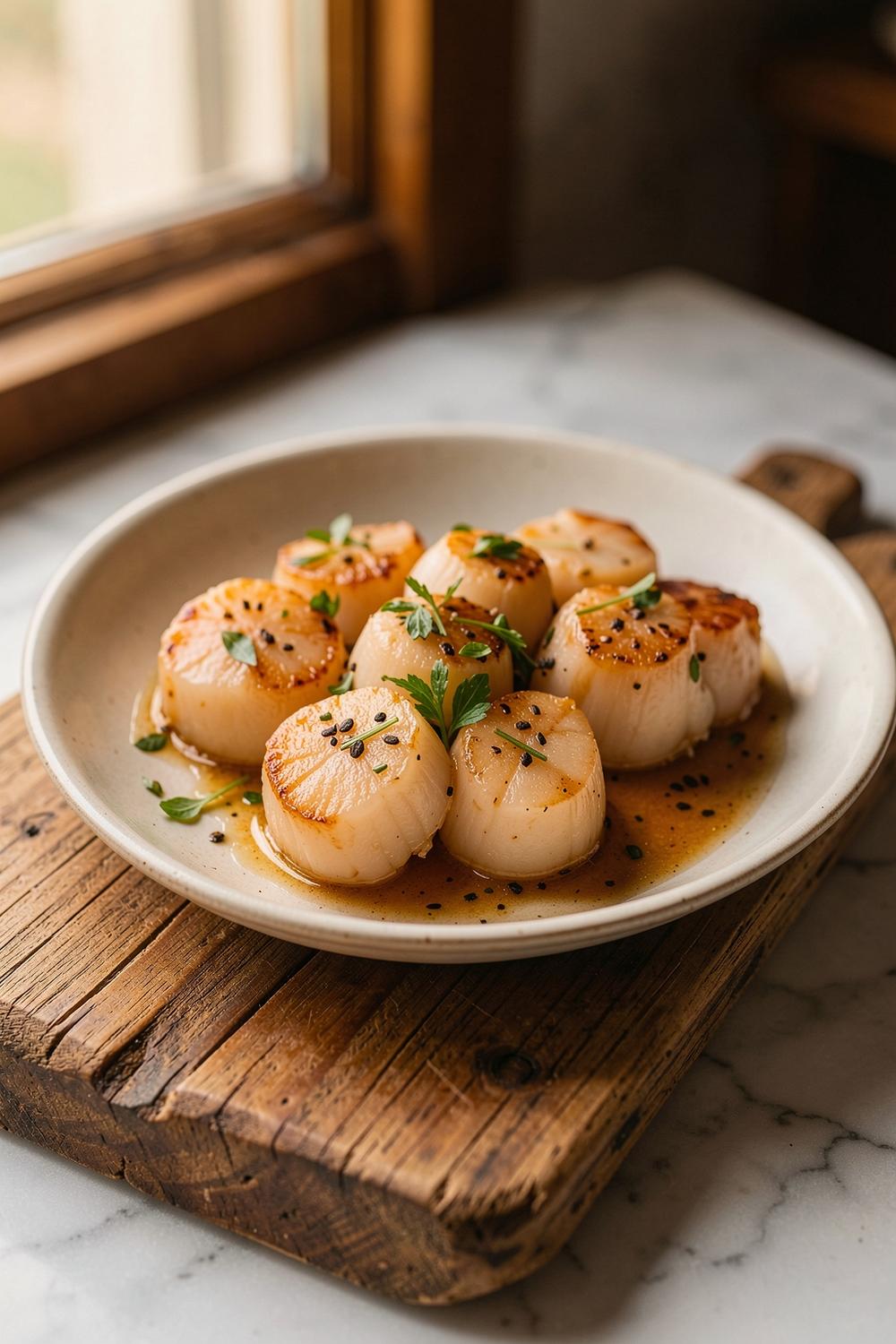
What Makes Patagonian Scallops Worth Cooking?
Patagonian scallops are true scallops, and they are mild, sweet and tender. They are small, usually sold frozen, and priced well below large sea scallops. That makes them a practical way to get restaurant-style seafood on a weeknight.
Their small size changes how you cook them. They go from translucent to overcooked in a minute or two, so high heat and short timing matter more than any fancy ingredient.
I add a Hungarian touch with sweet paprika bloomed in butter. It gives the sauce a warm color and a gentle, fruity depth without heat. Lemon zest and fresh parsley keep it bright, and asparagus or peas make it a seasonal one-pan meal.
Ingredients

- 1 lb Patagonia scallops (fully thawed; small bay-style scallops also work)
- 12 oz linguine or spaghetti (any long pasta works)
- 1 tablespoon kosher salt (for the pasta water, plus more to taste)
- 2 tablespoons olive oil (for searing)
- 3 tablespoons unsalted butter (divided)
- 4 cloves garlic (thinly sliced)
- 1 teaspoon sweet Hungarian paprika (not smoked)
- 1/4 teaspoon red pepper flakes (optional)
- 1/2 cup dry white wine (or low-sodium chicken or vegetable broth)
- 1 lemon (zest plus 2 tablespoons juice)
- 1 cup asparagus, cut in 1-inch pieces (or fresh or frozen peas in spring)
- 1/4 cup flat-leaf parsley (chopped)
- 1/2 cup pasta cooking water (reserved)
- 1/2 teaspoon black pepper (freshly ground)
How to Make Garlic Lemon Patagonia Scallop Pasta
Step 1: Prep and Dry the Scallops
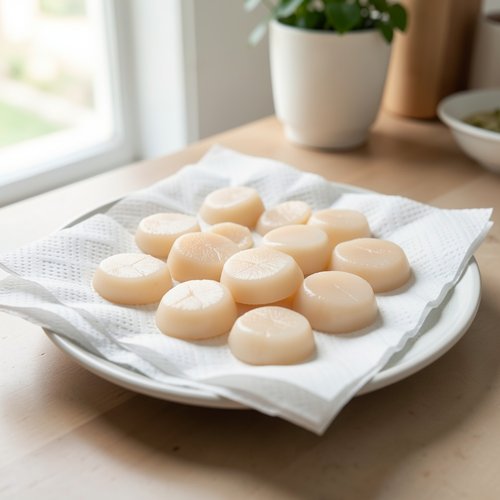
Spread the thawed scallops on a plate lined with two layers of paper towels. Press more towels on top and let them sit for 5 minutes. Dry scallops sear and wet scallops steam, so don’t skip this.
Season with 1/2 teaspoon salt and the black pepper just before cooking.
Step 2: Boil the Pasta
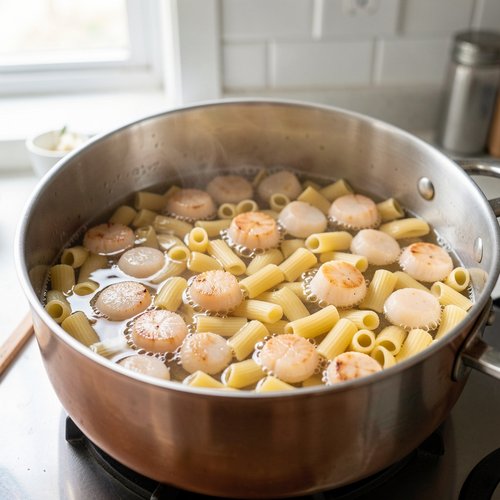
Bring 4 quarts of water to a boil with 1 tablespoon salt. Cook the pasta 1 minute short of the package time, so it is still slightly firm. Reserve 1/2 cup of the cooking water, then drain.
If you use asparagus, add it to the pot for the last 2 minutes of cooking and drain it with the pasta.
Step 3: Sear the Scallops
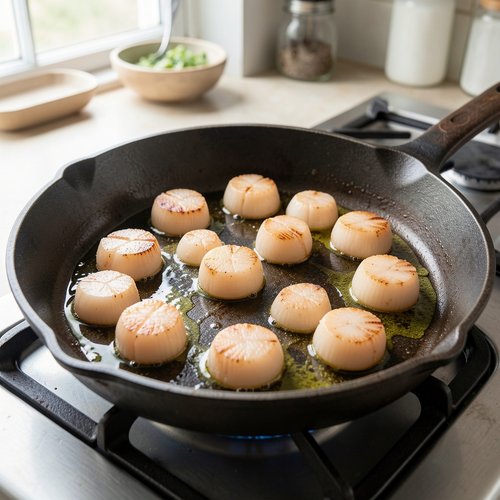
Heat the olive oil in a large skillet over medium-high heat until it shimmers. Add the scallops in a single layer, in two batches if needed. Crowding drops the pan temperature and releases liquid.
Sear 60 to 90 seconds without moving them until golden on the bottom. Flip and cook 30 to 45 seconds more. They should look opaque and feel springy. Move them to a clean plate.
Step 4: Build the Paprika-Butter Sauce
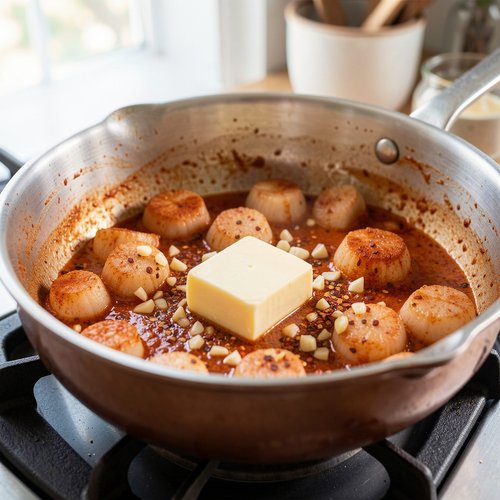
Lower the heat to medium and add 2 tablespoons butter. Add the garlic and red pepper flakes and cook 30 seconds, until fragrant but not browned. Stir in the paprika for 10 seconds. Paprika scorches fast and turns bitter.
Pour in the wine and scrape up the browned bits. Simmer 2 to 3 minutes until reduced by about half, then add the lemon juice.
Step 5: Toss and Finish
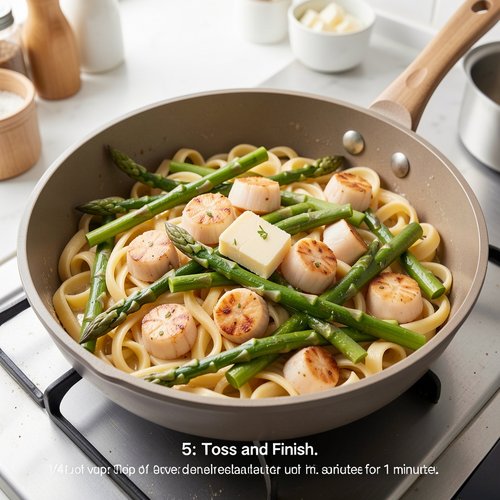
Add the pasta, asparagus, remaining tablespoon of butter and 1/4 cup of the reserved pasta water. Toss over medium heat for 1 minute until the sauce turns glossy and clings. Add more pasta water if it looks tight.
Turn off the heat. Fold in the scallops, lemon zest and parsley, and let the residual heat warm the scallops through. Taste and add salt if needed. Serve right away.
How Long Do You Cook Patagonian Scallops in a Pan or the Oven?
In a hot pan, small Patagonian scallops need about 60 to 90 seconds on the first side and 30 to 45 seconds on the second. Total cooking time is 2 to 3 minutes. They are done when they turn opaque and feel springy, not rubbery.
For the stove method, use a heavy skillet, medium-high heat and a thin film of oil. Don’t move the scallops until they release easily from the pan.
For the oven, heat it to 400°F. Toss the scallops with 1 tablespoon melted butter, a pinch of salt and lemon zest in a baking dish. Spread them in one layer and bake 5 to 7 minutes, until opaque throughout. You won’t get a deep sear, but the method is forgiving and good for larger batches.
Can You Cook Patagonian Scallops From Frozen?
You can, but thawing first gives better results. Frozen scallops release a lot of water in the pan, which leads to pale, steamed scallops and a diluted sauce.
For the best texture, use one of these thawing methods:
- Overnight: place them in a bowl in the refrigerator, covered, on a paper towel.
- Quick: seal them in a bag and submerge in cold water for 15 to 20 minutes.
- If you must cook from frozen: rinse off any ice glaze, pat very dry, and sauté 3 to 4 minutes, pouring off the released liquid midway. Or bake at 400°F for 8 to 10 minutes.
Never thaw them in warm water or the microwave, which partly cooks the edges and makes them rubbery.
Patagonia Scallops vs. Bay Scallops: What’s the Difference?
Both are small, sweet scallops, but they come from different species and places. Patagonian scallops are wild-caught in the southwest Atlantic and usually sold frozen. Bay scallops are a different species from shallower coastal waters and are often priced higher.
In the kitchen they work interchangeably in pasta, sautés and stir-fries. Cook times are about the same, so you can swap one for the other in this dish. Neither is as large or as deeply caramelized as big sea scallops, so build flavor with the sauce.
Patagonia Scallops Nutrition and Protein
Scallops are a lean, high-protein seafood. A typical 4-ounce serving is roughly 80 to 120 calories with around 15 to 20 grams of protein and very little fat. Exact numbers vary by brand and any added solution, so check your package label.
Look for packages that list only scallops, or scallops and a little salt. Some frozen scallops are treated with sodium phosphate, which adds water weight and sodium and makes searing harder. In this dish, a serving with pasta, butter and vegetables lands around a balanced weeknight meal, with the scallops supplying much of the protein.
Where Can You Buy Patagonia Scallops (Trader Joe’s, Publix)?
Look in the frozen seafood section of grocery stores and warehouse clubs. Trader Joe’s and Publix have both carried frozen scallops, but selection varies by store and season. Check the freezer case or ask the seafood counter rather than counting on a specific item.
Ingredients
- 1 lb Patagonia scallops fully thawed; small bay-style scallops also work
- 12 oz linguine or spaghetti any long pasta works
- 1 tablespoon kosher salt for the pasta water, plus more to taste
- 2 tablespoon olive oil for searing
- 3 tablespoon unsalted butter divided
- 4 clove garlic thinly sliced
- 1 teaspoon sweet Hungarian paprika not smoked
- 1/4 teaspoon red pepper flakes optional
- 1/2 cup dry white wine or low-sodium chicken or vegetable broth
- 1 lemon zest plus 2 tablespoons juice
- 1 cup asparagus, cut in 1-inch pieces or fresh or frozen peas in spring
- 1/4 cup flat-leaf parsley chopped
- 1/2 cup pasta cooking water reserved
- 1/2 teaspoon black pepper freshly ground
Instructions
Step 1: Prep and Dry the Scallops
- Spread the thawed scallops on a plate lined with two layers of paper towels. Press more towels on top and let them sit for 5 minutes. Dry scallops sear and wet scallops steam, so don't skip this. Season with 1/2 teaspoon salt and the black pepper just before cooking.
Step 2: Boil the Pasta
- Bring 4 quarts of water to a boil with 1 tablespoon salt. Cook the pasta 1 minute short of the package time, so it is still slightly firm. Reserve 1/2 cup of the cooking water, then drain. If you use asparagus, add it to the pot for the last 2 minutes of cooking and drain it with the pasta.
Step 3: Sear the Scallops
- Heat the olive oil in a large skillet over medium-high heat until it shimmers. Add the scallops in a single layer, in two batches if needed. Crowding drops the pan temperature and releases liquid. Sear 60 to 90 seconds without moving them until golden on the bottom. Flip and cook 30 to 45 seconds more. They should look opaque and feel springy. Move them to a clean plate.
Step 4: Build the Paprika-Butter Sauce
- Lower the heat to medium and add 2 tablespoons butter. Add the garlic and red pepper flakes and cook 30 seconds, until fragrant but not browned. Stir in the paprika for 10 seconds. Paprika scorches fast and turns bitter. Pour in the wine and scrape up the browned bits. Simmer 2 to 3 minutes until reduced by about half, then add the lemon juice.
Step 5: Toss and Finish
- Add the pasta, asparagus, remaining tablespoon of butter and 1/4 cup of the reserved pasta water. Toss over medium heat for 1 minute until the sauce turns glossy and clings. Add more pasta water if it looks tight. Turn off the heat. Fold in the scallops, lemon zest and parsley, and let the residual heat warm the scallops through. Taste and add salt if needed. Serve right away. Rebecca's Tip: Fold the scallops in off the heat. Their second trip through the pan is where most home cooks overcook them. As a dietitian I also like that this method gets full flavor from 3 tablespoons of butter across four servings, so the dish stays light.
When you shop, choose scallops that are loose and not clumped in ice, with no heavy frost inside the bag. Check the label for the country of origin, and look for a sustainability certification if that matters to you.
More Recipes to Try
- Bobby Flay Shrimp Orecchiette Recipe – Hungarian Chef
- Pescado A Lo Macho Recipe – Hungarian Chef
- Copeland’s Hot Crab Claws Recipe – Hungarian Chef

Rebecca Novak is a trained chef with over 10 years of experience in the food industry. She has worked in both fine dining and casual Hungarian restaurants and specializes in creating dishes using fresh, seasonal ingredients. She also loves exploring different cuisines worldwide, which allows her to bring unique flavors and ideas to the recipes she creates for Hungarianchef.com. On Hungarian Chef, Rebecca covers a wide range of home cooking, including dinners, side dishes, appetizers, desserts, sauces, and breakfast recipes. Her posts include comforting classics like cabbage goulash and chicken soup, along with restaurant-inspired favorites. Readers can use her recipes as step-by-step guides, relying on the ingredient lists, timings, storage notes, and substitution tips to plan meals, cook with confidence, and adapt dishes to what's in their kitchen. Read more